Category: Packing Tips

  • How Much Do Packing Services Cost in Los Angeles? (2026 Rates Guide)
    How Much Do Packing Services Cost in Los Angeles? (2026 Rates Guide)

    Moving in Los Angeles can be overwhelming, especially when deciding whether to pack everything yourself or hire professional packing services. In 2026, with rising living costs and busy lifestyles in areas like Downtown LA, Santa Monica, and Pasadena, more residents are turning to expert packers for stress-free moves. But how much do packing services cost in Los Angeles? This comprehensive guide breaks down full and partial packing rates, key factors influencing prices, and a head-to-head comparison with DIY packing. Whether you’re moving a studio apartment or a 4-bedroom house, you’ll get real 2026 pricing data to budget accurately.

    By the end, you’ll know exactly what to expect and how to get a free quote tailored to your needs. Affordable Moving specializes in transparent, affordable packing services across Los Angeles County.

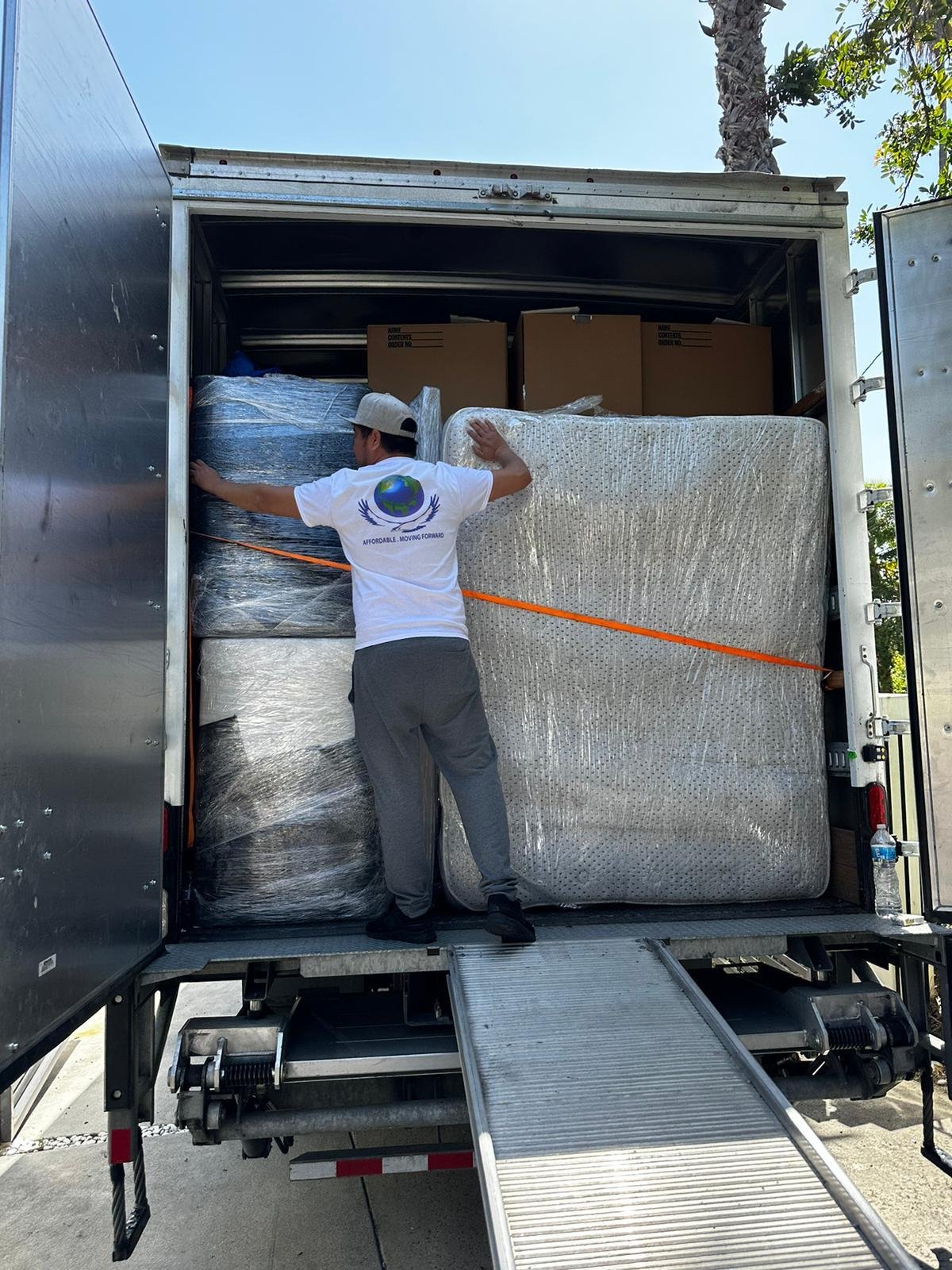
    Professional moving and packing service around you

    Understanding Packing Services in LA

    Professional packing services involve trained movers who supply materials, wrap fragile items, box everything securely, and label for easy unpacking. Unlike full moving services, packing can be standalone — perfect if you rent a truck or use friends for transport.

    In Los Angeles, demand peaks during summer (May–September), driving up rates by 10–20%. Companies like Affordable Moving offer hourly or flat-rate options, with averages based on home size and complexity. Expect labor at $40–$80/hour per packer, plus materials.

    Key Types of Packing Services:

    • Full Packing: Everything from kitchenware to garage tools.
    • Partial Packing: Specific rooms or items (e.g., kitchen, antiques).
    • Unpacking Add-On: Extra $100–$1,400 for settling in.

    Average Packing Services Cost in Los Angeles (2026)

    Rates vary by provider, but here’s a realistic breakdown for Los Angeles based on industry data. These are flat-rate estimates for full packing, including labor and materials (boxes, bubble wrap, tape, wardrobe boxes). Hourly models add $40–$80/packer, typically needing 2–4 packers for 4–10 hours.

    Home SizePackers NeededHoursAverage Cost RangeExample Notes
    Studio (400 sq ft)22–4$250–$500Basic kitchen/closet items 
    1-Bedroom (800 sq ft)24–6$400–$800Includes fragile dishes, electronics 
    2-Bedroom (1,200 sq ft)2–36–8$600–$1,200Avg packing services for 2-bedroom apartment — $300–$500 (partial) to $800 full 
    3-Bedroom (2,000 sq ft)38–10$1,000–$2,000Family homes with furniture 
    4-Bedroom (3,200 sq ft)3–410–12$1,500–$3,000Large homes/offices 
    Office/Commercial4+10+$2,000–$5,000+Equipment, files 

    Overall LA Average: $500–$3,000 for residential full packing, with $1,000 median. Partial packing cuts costs by 40–60% (e.g., $300 for kitchen only). Add 10–15% for peak season or stairs/elevators.

    For precise pricing, factors like location matter — Beverly Hills rates run 15% higher than the Valley due to premium demand.

    Factors Influencing Packing Services Cost in Los Angeles

    No two moves are identical, so quotes factor in several variables. Understanding these helps you predict and minimize expenses.

    1. Home Size and Volume of Belongings: Larger homes mean more boxes (30–100+). A cluttered 2-bedroom costs more than a minimalist one.
    2. Type and Fragility of Items: Fragile (china, art) or specialty items (pianos, antiques) require premium materials like dish packs ($10–20/box) or crates ($50–$100), adding 20–50%.
    3. Full vs. Partial Packing: Full service covers everything; partial targets high-risk areas, saving $200–$1,000.
    4. Location and Accessibility: Stairs, no elevator, or narrow streets in Hollywood Hills add $50–$200. Long-distance prep (e.g., to San Diego) includes extra insurance.
    5. Time of Year and Urgency: Peak season (summer) or last-minute bookings inflate rates by 20%. Weekday mornings are cheapest.
    6. Materials and Add-Ons: Pros supply everything ($100–$500 value), but extras like mattress covers ($15–$30) or TV crating ($50–$100) tally up.
    7. Crew Size and Experience: 2-packers for small jobs; 4+ for big. Licensed/insured crews cost more but protect you.
    8. Unpacking and Extras: Add $100–$1,400; junk removal or cleaning: $200–$500.

    Shop around — get 3+ quotes. Affordable Moving offers free on-site estimates for accurate packing services cost Los Angeles.

    Hourly vs. Flat-Rate Packing: Which Is Cheaper?

    • Hourly: $40–$80/packer. Good for partial jobs. Example: 2 packers x 6 hours x $60 = $720 + materials.
    • Flat-Rate: Predictable for full packing (e.g., $800 for 2-bedroom). Better for transparency, common in LA.

    Flat-rates save surprises but may overcharge light packers.

    Packing Services Cost vs. DIY: Real Comparison

    DIY seems cheaper upfront, but hidden costs add up. Here’s a 2-bedroom apartment breakdown:

    Cost ItemDIYProfessional (Affordable Moving)
    Materials (boxes, wrap, tape)$150–$400Included ($200 value) 
    Labor/Time20–30 hours ($0 or $20/hr opportunity cost = $400–$600)6–8 hours ($600–$1,000)
    Damage RiskHigh (replacements $500+)Low (insured, $0 out-of-pocket) 
    Total Estimated$550–$1,500+$600–$1,200
    Stress/Time SavedNoneFull

    DIY Pros: Control, potential savings (if organized).
    DIY Cons: Time sink (weekends lost), injuries, damage claims voided by poor packing.

    Pro Pros: Efficiency (1 day vs. week), zero damage, warranty. Studies show pros pack 3–5x faster with 95% less breakage.

    Tips to Reduce Packing Services Cost in LA

    1. Declutter First: Donate/sell 20% of items — cuts volume 15–30%.
    2. Choose Partial Packing: Kitchen + fragile only saves 50%.
    3. Book Off-Peak: January–April rates drop 15%.
    4. Combine Services: Bundle with moving for 10–20% discounts.
    5. Prep Basics: Pack clothes/books yourself.
    6. Get Multiple Quotes: Use sites like Yelp or direct like Affordable Moving.
    7. Ask About Inclusions: Ensure materials/insurance covered.

    When Professional Packing Is Worth Every Penny

    If you have antiques, kids/pets, tight deadlines, or value time, invest in pros. In LA’s competitive market, damage from DIY can cost $1,000+ in replacements — far exceeding service fees.

    Packing services cost in Los Angeles ranges from $250 (studio partial) to $3,000+ (large homes), averaging $1,000 for full residential. Factors like size, fragility, and season drive variations, but pros often beat DIY when factoring time and risks.

    Ready to move smart? Affordable Moving offers competitive rates, free quotes, and top-rated service.

  • How to Pack Exercise Equipment for Moving: A Detailed Guide for Protection and Efficiency

    How to Pack Exercise Equipment for Moving: A Detailed Guide for Protection and Efficiency

    Moving exercise equipment safely and effectively begins with proper packing to protect your valuable gear from damage during transit. Exercise equipment can be bulky, heavy, and often contains delicate electronic components. This comprehensive guide provides step-by-step instructions on how to pack and move gym equipment well, ensuring a smooth and damage-free move.

    Pack exercise equipment for moving

    Preparation and Cleaning

    Before packing, it’s vital to clean all your gym equipment thoroughly. Remove dust, sweat residue, and dirt using appropriate cleaning agents to prevent corrosion or damage, especially on metal parts and electronic displays. Clean equipment will also be easier to handle and less likely to slip during packing.

    Gather all necessary packing materials upfront to streamline the process. Essential items include:

    • Bubble wrap and foam padding for delicate parts
    • Heavy-duty moving blankets for bulky equipment
    • Strong packing tape and plastic stretch wrap
    • Sturdy boxes and plastic bins to contain smaller items and accessories
    • Zip-top plastic bags for bolts, screws, and small detachable components
    • Permanent markers for clear labeling

    Disassembly for Easier Packing

    Where possible, partially or fully disassemble large machines such as treadmills, ellipticals, rowing machines, and multi-gyms. Remove detachable parts like consoles, pedals, weight stacks, handlebars, and seats. Disassembly reduces bulk, facilitates packing, and reduces the risk of damage during transit.

    It is strongly recommended to take clear photos during disassembly, capturing how pieces fit together. This visual reference will be invaluable for reassembly at your new location.

    Protecting Delicate Components

    Electronic consoles, displays, hydraulic pistons, and cables are vulnerable to damage and should be wrapped carefully. Use bubble wrap or foam padding generously around these parts, securing with packing tape or plastic wrap to keep the padding in place.

    Wrap moving blankets or towels around bulky or heavy parts such as weight stacks, machine frames, and seats to prevent dents, scratches, and other damage.

    Organize and secure all loose cables and small detachable pieces in labeled zip-top bags, then tape them securely to the parent equipment or place them in clearly labeled boxes.

    Packing Smaller Accessories

    Items such as dumbbells, kettlebells, resistance bands, yoga mats, jump ropes, and smaller accessories should be packed separately. Use sturdy boxes or plastic containers and line them with cushioning materials like towels, bubble wrap, or clothes to minimize movement and prevent damage.

    Avoid overloading boxes with too many heavy weights to reduce the risk of tearing and make lifting safer.

    Securing Larger Equipment for Transport

    For large items that cannot be disassembled, use plastic stretch wrap or tape to secure moving blankets and padding firmly around the equipment. This shields surfaces and prevents shifting of folding decks, seats, or adjustable components during the move.

    If possible, lock or strap adjustable and folding parts in place to avoid unexpected movement during handling and transit.

    Labeling and Inventory Management

    Proper labeling helps organize your pack and ensures nothing gets misplaced. Mark boxes and parts with contents and the room or machine they belong to, using clear and permanent markers. Maintain a detailed inventory list so you can crosscheck everything upon arrival to your new location.

    Loading and Transport Considerations

    When loading your packed equipment and boxes into the moving vehicle:

    • Avoid stacking heavy boxes on fragile ones.
    • Position bulky gym machines upright and secure them using ratchet straps tied to truck anchor points.
    • Place padding between items to prevent damage from movement.
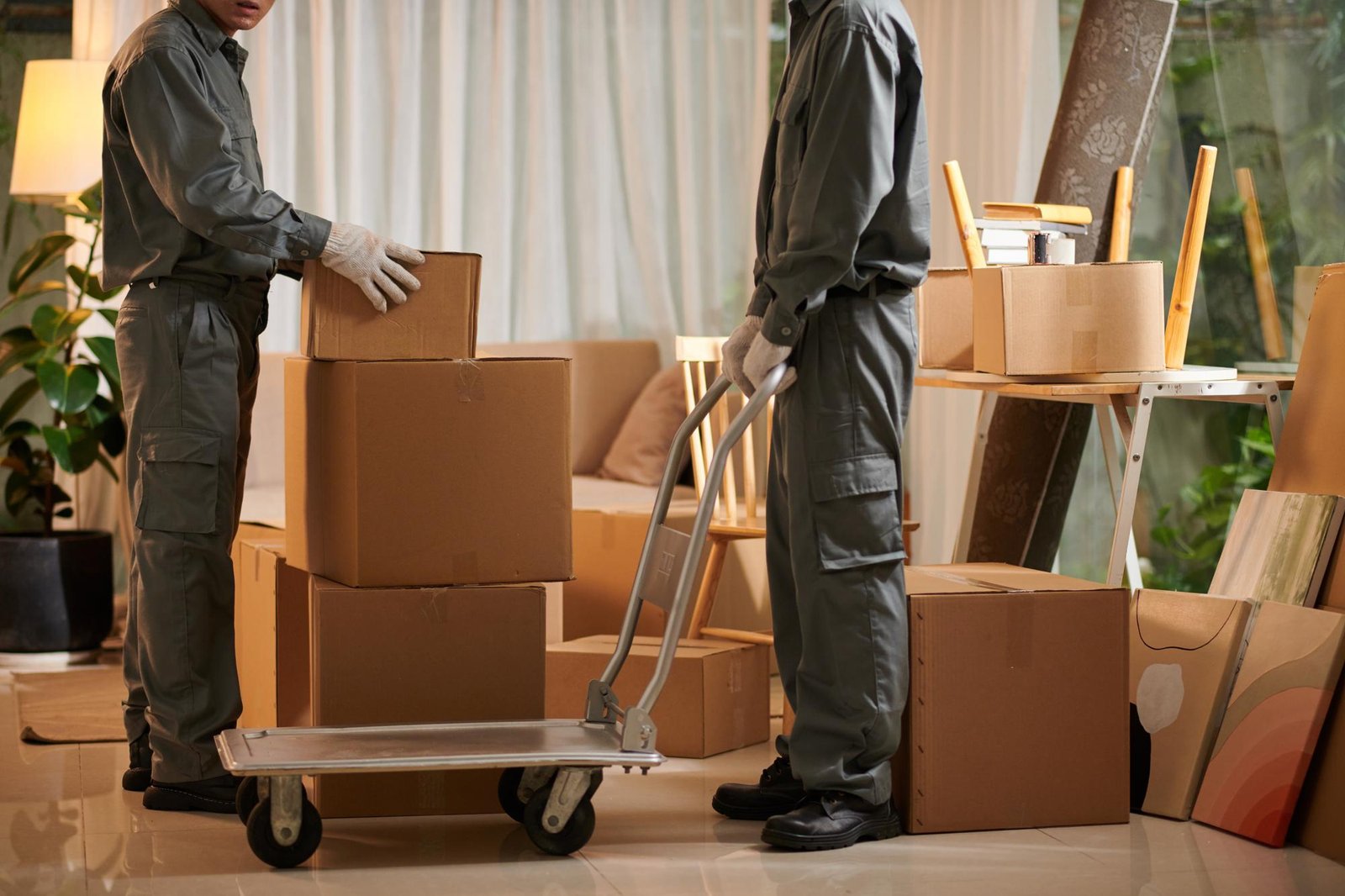
    • Use dollies or hand trucks to move heavy or awkward equipment safely.

    Professional Tips and Common Mistakes

    Professional movers recommend never packing equipment while it is wet or dirty, as moisture can cause rust or mold. Insufficient padding and loose, unlabeled parts are other common causes of damage and confusion. Taking time upfront to organize properly will save effort and hassle later.

    Packing exercise equipment for moving requires attention to detail and thorough preparation. With adequate cleaning, careful disassembly, protective wrapping, and organized packing, you can protect your gear and simplify the moving process. Whether moving yourself or with the help of professionals, these expert steps reduce the risk of damage and make setup in your new space easier and faster.

  • The Art of Unpacking: Quick & Organized Move-In Strategies!

    The Art of Unpacking: Quick & Organized Move-In Strategies!

    Strategies for a Quick and Organized Unpacking Process

    Moving into a new home is like embarking on an exciting adventure, but the daunting task of unpacking can quickly dampen the spirits. Fear not, fellow unpackers! In this comprehensive guide, we will explore the intricate nuances of The Art of Unpacking and unravel strategies that will not only expedite the process but also instill a sense of order and organization. Brace yourself as we transform the unpacking ordeal into a symphony of efficiency.

    Embrace the Planning Phase: A Blueprint for Success

    Unpacking, much like any grand endeavor, benefits immensely from meticulous planning. Let’s dissect this critical phase and pave the way for a smooth unpacking journey.

    Create a Room-by-Room Blueprint

    Picture this: a sea of identical cardboard boxes, each holding a piece of your life. How do you navigate through this labyrinth? The answer lies in creating a room-by-room blueprint. Before the moving trucks roll in, assign each room a unique color or label. As you pack, mark the boxes clearly with the destined room. This small step will pay dividends when you’re searching for your toothbrush or that essential pot on the first night.

    Prioritize Essentials

    Moving day is akin to a battlefield, and every soldier needs a survival kit. Before sealing boxes, assemble an essentials box containing items crucial for immediate survival – toiletries, a change of clothes, important documents, and any medication you might need. This box is your moving-day MVP, ensuring you don’t have to dig through an avalanche of boxes to find your toothpaste or a fresh pair of socks.

    Set Realistic Timelines

    Unpacking is a marathon, not a sprint. The temptation to conquer it all in one go might be strong, but resist the urge. Set realistic timelines for each room, allowing yourself the luxury of breaks and a good night’s sleep. Remember, Rome wasn’t unpacked in a day. Give each room the attention it deserves, and you’ll avoid the burnout that comes with a frenzied unpacking spree.

    The Nitty-Gritty of Unpacking: Where the Magic Happens

    With the planning groundwork laid, it’s time to delve into the actual unpacking process. Let’s break it down into actionable steps that will make the chaos more manageable.

    Attack the Essentials First

    As the moving dust settles, locate your essentials box – the beacon of sanity in the unpacking chaos. Start with this box, ensuring that your toothbrush, a change of clothes, and those essential documents are readily available. You’ll thank yourself when fatigue sets in, and the thought of rummaging through a myriad of boxes becomes too daunting.

    Tackle One Room at a Time

    The famous saying “Rome wasn’t built in a day” applies perfectly to unpacking. Adopt a room-by-room approach. If you’re tackling the kitchen, focus solely on unpacking pots, pans, and utensils. Leave the non-essential items for later. This methodical approach not only maintains your sanity but also creates tangible progress in each space.

    Declutter as You Go

    Unpacking is not just about bringing items into your new home; it’s an excellent opportunity to declutter. Haven’t used that pasta maker in years? Perhaps it’s time to bid it farewell. As you unpack, assess each item’s relevance and sentimental value. The less clutter you bring into your new space, the less stress you’ll carry along with it.

    Unpacking Hacks and Shortcuts: Elevate Your Unpacking Game

    Now that we’ve covered the fundamentals, let’s inject some excitement with hacks and shortcuts that will turn you into an unpacking maestro.

    The Power of Ziploc Bags

    Small items like screws, bolts, and jewelry have a knack for disappearing amidst the chaos. Tame these elusive items with Ziploc bags. As you disassemble furniture or encounter small accessories, place them in labeled Ziploc bags. Not only does this prevent loss, but it also streamlines the reassembly process. Imagine the satisfaction of having all the necessary screws at your fingertips!

    Color Code Your Boxes

    Who said unpacking can’t be an artistic endeavor? Channel your inner artist and color-code your boxes. Assign a specific color to each room and mark the corresponding boxes accordingly. Visual cues are often more efficient than reading labels, especially when you’re navigating through a maze of cardboard. This vibrant approach not only adds flair but also simplifies the unpacking process.

    Furniture First, Decor Later

    As the boxes dwindle, and your new home takes shape, resist the urge to adorn it with decor immediately. Instead, focus on arranging the furniture first. Placing furniture provides a sense of space and flow, allowing you to envision the optimal placement for your cherished decor items. Once the furniture is in place, decorating becomes a creative encore rather than a logistical puzzle.

    The Unpacking Home Stretch: Crossing the Finish Line

    Congratulations! You’ve conquered the bulk of the unpacking marathon. Now, let’s wrap it up with finesse and ensure the final stretch is as smooth as the beginning.

    Inspect Your Belongings

    As you unpack, conduct a thorough inspection of your belongings. Check for any damages that might have occurred during the move. If you notice any issues, document them promptly for potential insurance claims. This diligence ensures that your cherished possessions arrive in your new home unscathed.

    Break Down Boxes ASAP

    Cardboard boxes can quickly become the unwelcome guests lingering in your new home. Combat this invasion by breaking down boxes as soon as they’re emptied. Recycling is your ally in maintaining a clutter-free environment. An added benefit? A constant reminder of the progress you’ve made as the pile of collapsed boxes grows.

    Celebrate Small Victories

    In the midst of unpacking chaos, it’s essential to celebrate small victories. Whether it’s the successful assembly of furniture or the completion of a room, take a moment to revel in your achievements. Consider a mini victory dance or treat yourself to a well-deserved snack. Recognizing these milestones fuels your motivation for the remaining tasks.

    In conclusion, mastering The Art of Unpacking dmands a harmonious blend of planning, strategic execution, and a touch of creativity. Armed with a comprehensive plan, dive into the chaos, and emerge victorious in transforming your new space into a home. Happy unpacking!

  • DIY Packing Hacks: Cost-Saving Tips for a Smooth Move!

    DIY Packing Hacks: Cost-Saving Tips for a Smooth Move!

    DIY Packing Materials: Cost-Effective Alternatives for Safe Packing

    Moving to a new place is an adventure, but the mere thought of packing can turn excitement into apprehension. The financial strain of purchasing packing materials only adds to the stress. However, worry not! In this comprehensive guide, we’ll delve deeper into creative and budget-friendly alternatives for DIY packing materials that will safeguard your possessions and keep your budget intact.

    Cardboard Conundrum: Think Beyond Boxes

    Cardboard boxes are the go-to for many, but let’s break free from convention. Look around your house; there are hidden treasures waiting to serve as sturdy alternatives. Plastic bins, laundry baskets, and suitcases are excellent substitutes. They not only offer the same protection as boxes but can also be more durable.

    Repurposing these items doesn’t mean sacrificing organization. Grab a Sharpie and label away. Clearly marking the contents of each alternative container ensures a seamless unpacking process. Who said moving can’t be an adventure of organized chaos?

    Cushioning Chronicles: Embrace Everyday Items

    Bid farewell to the notion that only bubble wrap can protect your fragile belongings. Dive into your linen closet and discover a world of cushioning alternatives. Towels, linens, and clothing are unsung heroes when it comes to safeguarding delicate items.

    This approach not only saves you money but also promotes sustainability by reducing waste. It’s like giving your belongings a personalized, eco-friendly cocoon for their journey to a new home.

    Tip: Keep the Bubble Wrap Blues Away

    If you’re still yearning for the satisfying pop of bubble wrap, consider using newspaper instead. Crumple it up and place it around delicate objects to absorb shocks during transit. This not only provides excellent cushioning but also gives yesterday’s news a new purpose.

    Tape Tales: Skip the Expensive Brands

    Taping up boxes can quickly become a costly affair, especially if you opt for premium tape brands. Fear not! Choose the more affordable store-brand or generic packing tape. It might not have a fancy name, but it gets the job done just as well. Your boxes will remain sealed without breaking the bank.

    Tip: Double Trouble with Duct Tape

    Enter duct tape, your moving day superhero. It’s sturdy, versatile, and budget-friendly. Use it to reinforce the bottoms and sides of your boxes for added strength. Your belongings will appreciate the extra support, and your wallet will thank you for choosing the frugal route.

    Fill the Void: DIY Packing Peanuts

    Traditional packing peanuts are both messy and pricey. However, fear not! There’s a quirky alternative—popcorn! Yes, you read that right. Fill the gaps in your boxes with popped popcorn for a lightweight and eco-friendly solution. Your fragile items will be snug as a bug in a kernel-filled rug.

    Tip: Rolled Newspaper to the Rescue

    For an even more budget-friendly option, roll up newspaper tightly and use it to fill the voids in your boxes. This not only keeps your items secure but also contributes to environmental conservation by giving those newspapers a second life.

    Wrap Right: Newspaper Wrapping Wisdom

    Newspapers are versatile, and their usefulness extends beyond reading. Utilize them as an eco-friendly wrapping material for your items. Wrap dishes, glassware, and other fragile items with newspaper sheets. It’s an excellent way to repurpose old newspapers while ensuring your valuables arrive at your new home unscathed.

    Tip: Preserve Precious Memories

    Consider wrapping photo frames and delicate artwork with layers of newspaper. Not only does it provide a protective barrier, but it also spares your wallet from the expense of specialty wrapping materials.

    Case Closed: DIY Furniture Covers

    Preserving furniture during a move can be a challenge, but there’s no need to splurge on expensive furniture covers. Repurpose bed sheets or blankets as protective covers. Drape them over your furniture to shield it from scratches and dust. It’s a win-win for your wallet and your cherished furnishings.

    Tip: Label for Easy Unwrapping

    Enhance the unpacking process by labeling each furniture cover with its corresponding item or room. This simple step saves time and minimizes confusion, ensuring a smoother transition into your new space.

    Box Size Matters: Choose Wisely

    When it comes to boxes, one size doesn’t fit all. Optimize your packing strategy by selecting various box sizes. Heavy items like books belong in smaller boxes, while lighter items like bedding fit well in larger ones. This not only ensures the safety of your belongings but also streamlines the moving process.

    Tip: Reinforce for Robustness

    For larger boxes carrying lighter items, reinforce the bottom with an extra layer of cardboard. This simple step prevents the box from collapsing under the weight of its contents. It’s a small investment that pays off in the long run.

    Packing Prosperity on a Budget

    Moving doesn’t have to be synonymous with draining your bank account. By thinking outside the box—both literally and figuratively—you can save money on packing materials without compromising the safety of your belongings. Embrace these DIY alternatives, and your move will not only be cost-effective but also environmentally friendly. Happy packing!

    DIY Packing Materials: Frequently Asked Questions (FAQ)

    Q1: Can I use something other than cardboard boxes for moving?

    A1: Absolutely! Get creative with alternatives like plastic bins, laundry baskets, or suitcases. They offer the same protection for your belongings and can be more durable than traditional cardboard boxes.

    Q2: Are there alternatives to bubble wrap for cushioning fragile items?

    A2: Yes, indeed! Raid your linen closet for towels, linens, or clothing. They make excellent cushioning alternatives, saving you money and promoting sustainability by reducing waste.

    Q3: Is generic packing tape as reliable as premium brands?

    A3: Absolutely! Store-brand or generic packing tape gets the job done just as well as expensive brands. Your boxes will remain sealed without breaking the bank.

    Q4: What’s a budget-friendly alternative to traditional packing peanuts?

    A4: Popcorn! Believe it or not, popped popcorn serves as an excellent, lightweight, and eco-friendly alternative to traditional packing peanuts. You can also use tightly rolled newspaper for a cost-effective option.

    Q5: Can I use something other than newspaper for wrapping delicate items?

    A5: Yes, indeed! Consider wrapping fragile items in newspaper—it’s an eco-friendly alternative. You can also use newspaper sheets to wrap dishes, glassware, and even delicate artwork.

  • Expert Advice: The Best Way to Pack Clothes for a Stress-Free Move

    Expert Advice: The Best Way to Pack Clothes for a Stress-Free Move

    Moving homes can be an exciting journey, but it also comes with its share of challenges, with packing being one of the foremost. Among the myriad items that need careful packing, clothes often require special attention. Finding the best way to pack clothes is crucial not only for keeping your wardrobe in pristine condition but also for making your moving process as seamless and stress-free as possible. In this guide, we bring you expert advice drawn from years of experience in the moving industry. We specialize in simplifying moves for our clients in Los Angeles, ensuring every aspect of your relocation, especially packing, is handled with utmost care and efficiency. Join us as we unveil the secrets to efficiently packing your clothes, making your next move a smoother and more enjoyable experience.

    Why Proper Packing is Essential

    Packing, especially when it comes to clothing, can often be underestimated in its complexity. Many of us face the common challenges of fitting an entire wardrobe into a few boxes, dealing with the delicate nature of certain fabrics, and the frustrating puzzle of utilizing space effectively. The process can be time-consuming and, if not done correctly, may lead to wrinkled or even damaged garments upon arrival.

    However, the significance of proper packing extends far beyond just keeping your clothes neat. Efficient packing plays a crucial role in the broader scope of moving. It can drastically save time both during packing and unpacking. By systematically organizing your clothes, you ensure that everything is easily accessible and can be readily put away in your new space. This organized approach not only streamlines the moving process but also significantly reduces the stress associated with disorganized and haphazard packing.

    Moreover, proper packing techniques are essential to protect your belongings. Clothes are not just fabric; they hold value, memories, and sometimes significant financial investment, especially in the case of designer or sentimental pieces. Proper packing safeguards these items from potential damage, such as tears, stains, or exposure to moisture.

    In summary, taking the time to pack your clothes correctly is an investment in a smoother, more efficient moving experience. It ensures that your belongings are protected, reduces the time and effort needed for unpacking, and ultimately contributes to a stress-free relocation. With the right techniques and a little planning, you can ensure that your clothes, and your peace of mind, arrive at your new home in perfect condition.

    Before You Start Packing

    Before diving into the packing process, it’s essential to approach it strategically to ensure efficiency and ease. Here are some steps to take before you start packing your clothes:

    Create a Clothing Inventory

    Keeping track of what you have is crucial. Create an inventory of your clothes, categorizing them by type, season, or frequency of use. This inventory can be as simple as a checklist or a detailed spreadsheet. This step will help you stay organized and make unpacking easier. Plus, it’s a lifesaver in case anything goes missing.

    Essential Packing Supplies

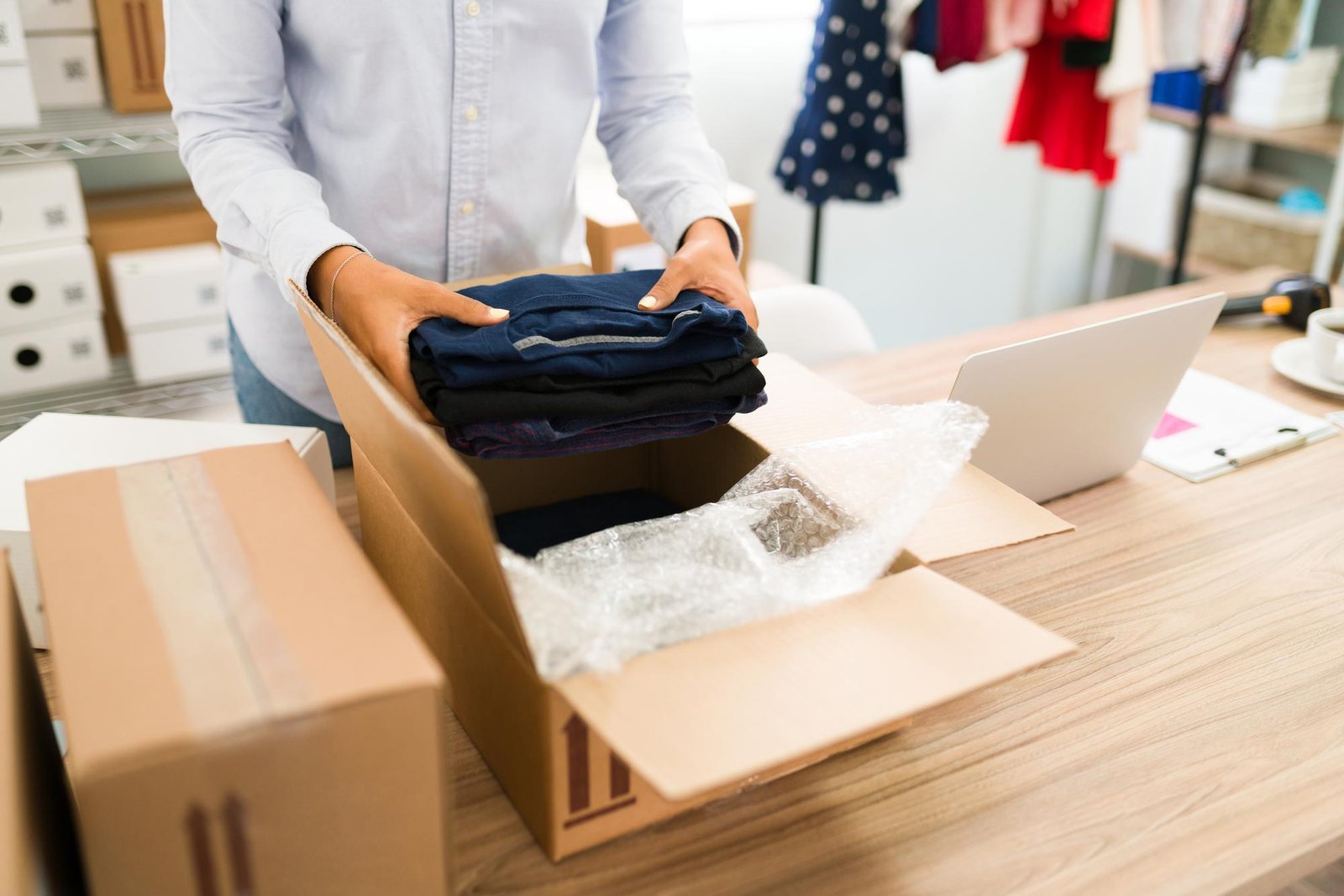
    Having the right supplies makes all the difference. Invest in quality boxes, particularly wardrobe boxes that come with a hanging rod – perfect for suits, dresses, and other garments that need to remain hanging. Use garment bags for delicate items; they provide an extra layer of protection against dust and damage. Vacuum seal bags are great for compacting bulky items like winter clothes and saving space. For a handy lifehack, consider using your suitcases and travel bags to pack clothes – they’re sturdy, easy to transport, and it’s an efficient use of space.

    Professional Tips and Tricks

    Here are some expert tips to streamline your packing:

    • Roll, Don’t Fold: Rolling clothes instead of folding them can save space and reduce wrinkles.
    • Layering Technique: Place heavier items at the bottom of the box and lighter ones on top.
    • Use What You Have: Wrap delicate items in scarves or use socks to fill gaps in boxes, providing extra cushioning.
    • Color Coordination: Organize clothes by color in boxes. This not only looks pleasing but also makes it easier to find items later.
    • Label Everything: Clearly label each box with its contents and the room it belongs in. This will make unpacking a breeze.

    By following these steps, you’re setting yourself up for a more organized and efficient packing experience. Remember, the key to a successful move is in the preparation, and taking these initial steps can significantly impact the ease of your move.

    Packing Techniques and Tips


    Packing clothes for a move requires more than just tossing items into boxes. Different types of clothing demand specific packing techniques to ensure they stay organized, wrinkle-free, and in good condition. Here’s a step-by-step guide to help you pack various types of clothing effectively:

    1. Casual Wear (T-shirts, Jeans, etc.)
      • Folding: Fold t-shirts, jeans, and other casual wear neatly. Stack them in boxes or suitcases, placing heavier items at the bottom.
      • Rolling: For a space-saving trick, roll items like t-shirts. This method also reduces wrinkles and is great for maximizing space in boxes or duffel bags.
    2. Formal Wear (Suits, Dresses, etc.)
      • Garment Bags: Use garment bags for suits, dresses, and other formal wear to protect against dust and wrinkles.
      • Wardrobe Boxes: If possible, use wardrobe boxes for these items. They allow you to hang clothes vertically, just like in a closet.
    3. Seasonal Clothing (Coats, Swimwear, etc.)
      • Vacuum Seal Bags: Bulky winter coats and sweaters can be packed in vacuum seal bags to save space. This method compresses the items, making them easier to pack and transport.
      • Separate Boxes: Pack seasonal clothing in separate boxes and label them accordingly. This makes it easier to store them away if they won’t be needed immediately after the move.
    4. Delicate and Expensive Items
      • Individual Wrapping: Wrap delicate items like silk garments or expensive pieces in acid-free tissue paper before placing them in boxes or garment bags.
      • Layering: Place a layer of bubble wrap or additional tissue paper between these items for extra protection.
    5. Maximizing Space and Organization
      • Utilize All Spaces: Fill empty spaces in boxes with small items like socks, scarves, or underwear.
      • Labeling: Clearly label each box with its contents and the room it belongs to. Consider adding special notes like “fragile” or “this side up” for delicate items.
    6. Keeping Clothes Wrinkle-Free
      • Avoid Overpacking: Don’t overfill boxes or suitcases, as this can lead to wrinkles.
      • Use Tissue Paper: Place a sheet of tissue paper between folded layers to prevent creasing.

    By following these tailored techniques for each type of clothing, you can ensure that your wardrobe is packed efficiently and arrives at your new home in the best possible condition. Remember, a little extra time spent on careful packing can save a lot of time ironing and reorganizing later!

    Labeling and Organizing

    Effective labeling and organizing are crucial for a smooth unpacking process. They not only save time but also reduce the stress of searching for items when you arrive at your new home. Here’s how to master this aspect of your move:

    1. Labeling Boxes for Easy Identification
      • Detailed Labeling: Clearly label each box with its specific contents. Instead of just writing “Clothes,” specify “Summer Tops” or “Men’s Formal Wear.” This level of detail helps you find exactly what you need without opening every box.
      • Use Color-Coding: Assign a color to each room or category and use colored stickers or markers for labeling. For example, blue for living room items, red for kitchen, green for bathroom, and so on. This visual system makes it easier to identify where each box should go in your new home.
      • Numbering System: Implement a numbering system where each box has a unique number. Keep a master list that details the contents of each numbered box. This approach is particularly helpful if you have a large number of boxes.
    2. Organizing Clothes by Type, Season, or Family Member
      • By Type: Group similar types of clothing together – such as all formal wear in one box, casual wear in another. This makes it easier to unpack and organize your wardrobe in the new space.
      • By Season: Pack off-season clothing separately and label them accordingly. This way, you can easily store them away until needed, reducing clutter in your new home.
      • By Family Member: If packing for a family, dedicate boxes to each family member’s clothing. This helps in distributing and organizing individual wardrobes more efficiently upon arrival.

    Special Tips for Labeling and Organizing

    • List of Essentials: Create a separate box or suitcase for essentials you’ll need immediately upon arrival, like a change of clothes, pajamas, and basic toiletries. Label it as “Open First.”
    • Photograph Before Packing: Take a photo of how clothes are arranged in drawers or closets before packing. This can serve as a reference for how to organize them in your new home.
    • Use Apps: Consider using inventory apps where you can keep a digital record of your packed items. Some apps even allow you to add photos and notes for each box.

    Remember, the effort you put into labeling and organizing will pay off immensely when it comes to unpacking in your new home. It’s about creating a system that makes the transition from one home to another as seamless and stress-free as possible.

    On the Moving Day

    Moving day can be hectic, but with the right preparation, especially concerning your clothes, you can ensure a smooth transition. Here are some essential tips for handling your clothes on moving day, reflecting the best way to pack clothes for a stress-free experience:

    1. Pack an Essentials Bag: Prepare a separate bag with clothes and personal items you’ll need for the first day or two. Include outfits, sleepwear, and necessary toiletries. This saves you from rummaging through boxes for essentials during the first few hectic days in your new home.
    2. Protecting Clothes During Transport
      • Weather Considerations: If moving in uncertain weather, use waterproof covers for clothes in transit, especially if they are being moved in open trailers or trucks.
      • Secure Garment Boxes: Ensure that wardrobe boxes and garment bags are securely closed and won’t open during the move. This prevents clothes from falling out and getting dirty or damaged.
    3. Efficiently Unpacking and Organizing Clothes
      • Unpack by Priority: Start with the essentials and day-to-day wear. Seasonal and occasional wear can often wait.
      • Refer to Your Inventory: Use the inventory list you created while packing to help organize your clothes in the new space. This ensures you don’t overlook any items.
      • Replicate Previous Arrangement: If possible, try to replicate the arrangement you had in your old wardrobe or drawers. This familiarity can make the process quicker and more intuitive.
    4. Post-Move Care
      • Check for Damage: As you unpack, inspect your clothes for any damage or stains that might have occurred during the move.
      • Air Out Clothes: If clothes have been packed for a while, let them air out to remove any musty odors and to help wrinkles fall out.

    By following these tips on moving day, you can ensure your clothes are transported safely and are easy to organize in your new home. Remember, the key to a successful move is in the preparation and execution of thoughtful packing and unpacking strategies.

    Make Your Move Effortless with Expert Help

    Embarking on a new moving adventure? Remember, the best way to pack clothes and handle your entire move can be made significantly easier with the right help. At Affordable Moving, we pride ourselves on making your moving experience as smooth and stress-free as possible. Our team of professionals is trained to handle all aspects of your move, from carefully packing your cherished belongings to ensuring everything arrives safely at your new home. Opt for convenience and efficiency; choose Affordable Moving for your next relocation in Los Angeles.

    Found these tips helpful? Share this article with friends and family who are planning a move. Spreading this knowledge can help them discover the best way to pack clothes and manage their moving process more efficiently. And if they’re looking for reliable and professional moving services, let them know about Affordable Moving – where quality service and customer satisfaction are our top priorities. Let’s make moving a shared experience of ease and efficiency!

  • Quick and Efficient: Essential Packing Tips for Moving in a Hurry

    Quick and Efficient: Essential Packing Tips for Moving in a Hurry

    Moving can often be a race against time, and when it’s done in a hurry, it brings a unique set of challenges. Whether it’s due to a sudden job transfer, end of lease, or any other urgent scenario, packing tips for moving in a hurry become invaluable. The key to mastering a swift move lies in efficient packing – it’s not just about speed, but also about ensuring everything arrives at your new home safely and in an organized manner. In the following sections, we’ll explore essential strategies and tips designed to streamline your packing process. These insights are tailored to help you pack effectively, even when time is not on your side, turning a potentially chaotic experience into a manageable and successful move.

    Understanding the Time Crunch

    When life throws a curveball, sometimes you find yourself needing to move with little notice. Common scenarios that necessitate a rapid relocation include an unexpected job offer in a different city, sudden changes in personal circumstances, or urgent housing issues like lease expirations or sold properties. In fact, a survey indicates that around 40% of moves are due to job changes, many of which require a swift transition.

    Packing under a tight schedule poses several unique challenges. Firstly, there’s the sheer volume of tasks that need to be completed in a limited time frame. Unlike a leisurely move, where you can pack gradually, a hurried move demands quick decision-making and action. This can lead to stress and the potential for oversight, such as forgetting to pack important items or failing to properly secure fragile belongings.

    Another challenge is maintaining organization. When rushed, it’s easy to pack items haphazardly, leading to confusion and disarray both during the move and when unpacking at your new home. This lack of organization can significantly prolong the settling-in process, adding to the stress of the move.

    Finally, there’s the physical and emotional toll. Rapidly packing up an entire household is not just physically demanding but can also be emotionally taxing. Nostalgia and the need to make quick decisions about what to keep or leave can add an extra layer of complexity to the process.

    Understanding these challenges is the first step towards overcoming them. The upcoming sections will provide practical tips and strategies to help you navigate the time crunch of a hurried move, ensuring that your transition is as smooth and stress-free as possible.

    Preparation: The Key to Speed

    In the whirlwind of a hurried move, preparation becomes your greatest ally. The efficiency and success of your move hinge largely on how well you prepare in advance, even if that preparation time is short. Here’s how to set the stage for a quick and effective move:

    1. Quick Preparation is Crucial
      • Understand that every minute counts. The sooner you start, the better. Quick preparation involves setting clear, achievable goals for each day leading up to the move.
      • Break down the packing process into smaller tasks. This makes the overall job seem less daunting and helps maintain focus and momentum.
    2. Creating a Rapid Action Plan
      • Draft a concise moving checklist. This should include all necessary tasks, from packing to arranging transportation, and setting up essential services at your new home.
      • Assign deadlines to each task on your list. Be realistic yet ambitious with your time management.
      • Prioritize tasks based on urgency. For instance, securing a moving company or rental truck should be high on the list, followed by packing non-essential items.
    3. Gathering Packing Supplies in Advance
      • Collect all necessary packing supplies before you start. This includes boxes, tape, bubble wrap, labels, markers, and specialty containers like wardrobe boxes.
      • Consider the specific needs of your belongings. For example, electronics require anti-static packing materials, while artwork may need flat, padded boxes.
      • Don’t underestimate the amount of supplies you’ll need. It’s better to have extra than to run out mid-way through packing.

    Efficiency Tips

    • Use suitcases, duffel bags, and even laundry baskets to pack items. These can be more space-efficient than boxes and are easier to transport.
    • Keep a ‘packing station’ with all your supplies in one place to avoid wasting time looking for materials.
    • Label boxes as you pack them. This saves time during the unpacking process and helps movers know where to place boxes in your new home.

    By focusing on rapid preparation, you can significantly reduce the stress and chaos of a last-minute move. This approach ensures that you remain in control of the process, even when time is not on your side.

    Packing Essentials First

    In the haste of a hurried move, it’s easy to overlook the essentials you’ll need immediately upon arrival at your new home. To avoid this, it’s crucial to pack a well-thought-out “essentials” box or suitcase. Here’s how to do it effectively:

    1. Identifying Essential Items
      • Essentials include items you use daily and cannot do without. Think about your routine for the first few days after the move. This typically includes toiletries, a few changes of clothes, medications, chargers for electronic devices, basic kitchenware, and perhaps a coffee maker or kettle.
      • Don’t forget important documents such as passports, lease or property documents, and essential contacts.
    2. Creating an Essentials Box or Suitcase
      • Choose a suitcase, box, or bag that is distinct and easily recognizable. This ensures that it doesn’t get lost among the myriad of other boxes during the move.
      • Pack as if you’re going on a short trip. Include toiletries, a couple of outfits, pajamas, essential kitchen items, and any other day-to-day necessities.
      • Consider the needs of all family members, including pets. Children might need their favorite toy or book to feel comfortable, while pets will need their food, bowls, and a toy or two.

    Lifehacks for Packing Essentials

    • Ziploc Bags: Use Ziploc bags to organize smaller items like chargers, medications, or jewelry. They keep things together and prevent them from getting lost.
    • Clear Containers: If using a box for essentials, a clear plastic container can be beneficial as it allows you to see the contents at a glance.
    • Last In, First Out: Make sure the essentials box or suitcase is the last thing loaded onto the moving truck and the first thing taken out. This ensures immediate access upon arrival at your new home.

    Remember, the essentials box or suitcase is meant to cover your immediate needs for the first few days post-move. It’s a temporary solution to ease your transition until you have time to unpack fully.

    By prioritizing and efficiently packing an essentials box or suitcase, you ensure a smoother and more comfortable transition into your new home, even amidst the hurried circumstances of a quick move.

    Room-by-Room Packing Strategy

    Packing for a move can be overwhelming, but tackling it room-by-room makes the process more manageable and efficient. Here’s how to approach each room, along with some useful tricks to speed up the process:

    1. Start with Lesser-Used Rooms
      • Begin with rooms and areas you use less frequently, like guest rooms, basements, or attics. This strategy allows you to start packing without disrupting your daily routine.
      • Pack decorative items, out-of-season clothing, and rarely used kitchenware first.
    2. Kitchen
      • The kitchen can be complex due to the number of small, fragile items. Start with items you rarely use.
      • Wrap dishes and glasses individually and use plenty of cushioning. Stack plates vertically, as they’re less likely to break.
      • Use pots and large bowls to hold smaller items, maximizing space.
    3. Living Room
      • Pack books, DVDs, and other media in small boxes to prevent them from becoming too heavy.
      • Cushion and wrap decorative items and electronics. Use original boxes for electronics if available.
      • Roll up rugs and secure them with straps or rope.
    4. Bedrooms
      • Leave clothes in drawers and simply secure the drawers if moving the entire dresser. For loose clothing, use wardrobe boxes.
      • Pack bedding and curtains in vacuum seal bags to save space.
      • Disassemble furniture if possible to save space and make moving easier.
    5. Bathroom
      • Pack toiletries and medicines separately. Ensure caps are tight and bags are leak-proof.
      • Keep a separate bag for essential toiletries that you’ll need immediately.
    6. Garage and Outdoor Items
      • Sort through tools, garden supplies, and outdoor equipment. Dispose of anything that can’t be transported, like certain chemicals.
      • Use sturdy boxes for heavy tools and label them as heavy.
    7. Prioritizing Rooms Based on Daily Use
      • Keep essential items in your bedroom, bathroom, and kitchen unpacked until the last day.
      • Pack these rooms in reverse order of how you started: start with the kitchen, then bedrooms, and finally the bathroom.

    Useful Packing Tricks

    • Photograph Electronics Setups: Take a picture of how your electronics are connected so you can easily reassemble them later.
    • Clothing Hack: Keep clothes on hangers and simply cover them with garbage bags for easy transport.
    • Box Labeling: Label boxes on the side and not the top so you can see the labels even when boxes are stacked.

    This room-by-room strategy helps you stay organized and systematically tackle the packing process, making your move quicker and more efficient.

    Speed Packing Techniques

    When moving in a hurry, speed is of the essence. Employing specific packing techniques can drastically cut down on time and make your move more efficient. Here are some speed packing techniques that can help:

    1. Bundling Clothes on Hangers
      • Keep clothes on their hangers and bundle them together. You can cover them with large garbage bags or wrap them in sheets for protection. This technique allows you to quickly move entire sections of your wardrobe without folding each item, and they can be easily hung up again in your new home.
      • Use zip ties or rubber bands to group hangers together for easy handling.
    2. Using Suitcases for Heavy Items
      • Suitcases are ideal for packing heavy items since they are sturdy and easy to transport thanks to their wheels. Books, shoes, and heavy kitchen items like pots and pans can be packed into suitcases.
      • The extendable handles and wheels on suitcases make them a convenient tool for moving heavy items without much physical strain.
    3. Utilizing Vacuum Bags for Bulky Items
      • Vacuum seal bags are perfect for bulky items like bedding, pillows, and off-season clothing. These bags compress the items, saving a significant amount of space in the moving truck.
      • Vacuum bags also provide an added layer of protection from moisture and dirt during the move.

    Other Speed Packing Tips

    • Box Assembly Line: Create an assembly line for packing boxes. Line up your boxes and move items directly into them, streamlining the process.
    • Fill Gaps with Soft Items: Use socks, scarves, or other soft items to fill gaps in boxes. This provides extra cushioning and makes use of every available space.
    • Multipurpose Packing: Use towels and linens as wrapping materials for fragile items. This saves on bubble wrap and reduces the number of boxes.

    As you pack each box, quickly label it with its contents and the room it’s destined for. This will speed up the unpacking process and help movers know where to place boxes.

    By implementing these techniques, you can pack more efficiently, saving time and effort. The goal is to minimize the number of items you need to handle individually, which is key when packing in a hurry.

    Labelling for Efficiency

    Proper labeling is crucial for a smooth and efficient move, especially when time is limited. Clear labels help you and your movers know exactly where each box should go in your new home, saving time and effort during the unpacking process. Here are effective labeling methods and helpful tips for maximum efficiency:

    1. Clear and Concise Labeling
      • Write labels in bold, legible letters on at least two sides of the box and the top. This ensures visibility no matter how the boxes are stacked.
      • Be specific with contents and indicate which room they belong to, e.g., “Kitchen – Pots and Pans” or “Master Bedroom – Bed Linens.”
    2. Color Coding System
      • Assign a specific color to each room (e.g., blue for the bathroom, green for the kitchen) and use colored stickers or markers for labeling. This visual system allows for quick identification.
      • Provide a color key to your movers so they can easily match boxes to rooms.
    3. Numbering System
      • Implement a numbering system where each box has a unique number. Keep a master list that details the contents and designated room for each numbered box.
      • This method is particularly useful for tracking your belongings and ensuring nothing gets lost or misplaced.

    Additional Labeling Tips

    • Use Pre-Printed Labels: If possible, use pre-printed labels or label makers for a more uniform and professional look.
    • Highlight Fragile Items: Clearly mark boxes containing fragile items with “Fragile” or “Handle with Care” labels.
    • Sealing Tape Colors: Consider using different colors of sealing tape for different rooms for an additional layer of organization.

    Quick Labeling Hacks

    • Smartphone Assistance: Quickly note the contents of each box in your smartphone as you pack, then transfer this information to the boxes later.
    • Photograph Contents: Take a quick photo of the contents of each box before sealing it. This can help if you need to find something specific before fully unpacking.

    By organizing your labeling system, you can significantly reduce the time spent sorting and rearranging boxes during and after the move, making your hurried packing efforts much more effective.

    Moving Day: Final Preparations

    Moving day is the culmination of all your packing efforts. To ensure everything goes smoothly, here are some last-minute packing tips and advice on organizing items for the movers or personal transport:

    1. Last-Minute Packing Tips
      • Essentials First: Make sure your essentials box or suitcase is easily accessible. This should be the last thing you pack and the first thing you unpack.
      • Personal Items: Keep personal items like identification, wallets, and important documents with you at all times.
      • Final Sweep: Do a final walk-through of each room to ensure nothing is left behind. Check closets, drawers, and shelves.
    2. Organizing Items for Movers
      • Group Boxes by Room: Keep boxes grouped by room to facilitate efficient loading and unloading. This makes it easier for movers to place boxes in the correct room at your new home.
      • Heavy Items First: Instruct movers to load the heaviest items first. This includes furniture, appliances, and boxes with books.
      • Fragile Items: Point out boxes containing fragile items to the movers, ensuring they know to handle these with extra care.
    3. Organizing for Personal Transport
      • Valuables and Fragiles: Transport valuable or fragile items like jewelry, family heirlooms, or breakable keepsakes in your own vehicle.
      • Easy Access Items: Keep items you’ll need immediately upon arrival (like snacks, water bottles, and a basic toolkit) in a place where you can quickly access them.
      • Secure Loading: Ensure that items in your vehicle are securely packed to prevent shifting or damage during transport.
    4. Additional Moving Day Considerations
      • Safety and Accessibility: Keep pathways clear to avoid accidents. Ensure that movers have easy access to both your old and new homes.
      • Emergency Kit: Have a small emergency kit handy with basic tools, first aid supplies, and snacks.
      • Child and Pet Care: If possible, arrange for children and pets to be looked after elsewhere on moving day to keep them safe and reduce stress.

    By following these tips, you can make your moving day as efficient and stress-free as possible. The key is to be organized and prepared, allowing you to focus on settling into your new home.

    In conclusion, mastering the art of packing tips for moving in a hurry is all about being strategic, organized, and efficient. By decluttering first and focusing on essentials, you set a solid foundation for a speedy packing process. Employing room-by-room strategies ensures that no area is overlooked, while specific techniques like bundling clothes on hangers, using suitcases for heavy items, and utilizing vacuum bags for bulky goods optimize space and minimize packing time. Clear and concise labeling is a small step that makes a big difference in keeping track of your belongings and facilitating the unpacking process.

    These strategies are not just about saving time; they are crucial for maintaining a sense of calm and control during what can be a hectic period. A hurried move doesn’t have to be a chaotic one. With these tips, you can ensure that your belongings are not only packed quickly but also arrive at your new home safe and sound.

    Furthermore, while these tips are designed to make your move as efficient as possible, sometimes the best solution in a time crunch is to enlist professional help. Consider hiring a moving service like Affordable Moving for an even quicker and more seamless moving experience. Professional movers can provide the expertise and resources to handle your move expertly, especially when time is of the essence.

    Remember, a successful move, even a hurried one, is achievable with the right approach and preparation. By following these packing tips for moving in a hurry, you’re well on your way to a stress-free transition to your new home.

  • Top 5 Packing Techniques for an Efficient Move

    Top 5 Packing Techniques for an Efficient Move

    Transform your moving experience with ‘Top 5 Packing Techniques for an Efficient Move’. This comprehensive guide takes you through innovative strategies for decluttering, effectively packing your items, and organizing for the big day. Discover how to pack like a pro, safeguard your delicate belongings, and manage your move with ease. Perfect for those seeking a well-planned, stress-free relocation, our guide offers practical advice and insider tips to make your move as smooth as possible.

    Start with a Plan

    Inventory and Categorization

    Embarking on a packing journey without a plan is like navigating without a map. The first crucial step is creating an inventory of your items. This might seem time-consuming, but it pays off in organizational dividends. By listing everything you own, you not only keep track of your belongings but also get an opportunity to declutter.

    Once your inventory is ready, the next step is categorization. This involves grouping items based on their nature. For instance, categorize items as fragile, heavy, essentials, or seasonal. Fragile items need special care and packaging, heavy items might require additional manpower or equipment, and essentials are what you’ll need immediately upon arrival at your new home. Here’s a tip: Color-code your inventory list. Use different colors for different categories – this visual cue makes it easier during both packing and unpacking.

    Scheduling and Supplies

    Time is a critical factor in moving. Create a packing timeline – a sort of packing calendar. Start with the least used items and gradually move to the essentials as the moving day approaches. Interesting fact: Most people underestimate the time it takes to pack. Starting early helps avoid the frenzy of last-minute packing.

    Now, let’s talk supplies. You’ll need sturdy boxes of various sizes, packing tape, bubble wrap, packing paper, and permanent markers for labeling. Here’s a trick: You can use suitcases and duffel bags for packing clothes and linens – they’re sturdy and you have to move them anyway. For fragile items, instead of bubble wrap, you can use towels or clothes; this not only saves on packing material but also space.

    Remember, efficient packing starts with a well-thought-out plan. By inventorying and categorizing your belongings, and scheduling your packing with the right supplies, you set the stage for a smooth and stress-free move.

    Technique 1 – The Art of Decluttering

    Before you dive into the world of boxes and packing tape, there’s a crucial step that can significantly impact the efficiency of your move: decluttering. The benefits of decluttering before packing are manifold. Not only does it reduce the volume of items you need to pack, transport, and unpack, but it also provides a chance to start fresh in your new home, unburdened by unnecessary possessions.

    Why Declutter?

    Decluttering can drastically reduce your moving load. An interesting fact to consider: The average household has thousands of items, many of which are rarely used. By decluttering, you could potentially reduce your moving load by up to 50%. This not only makes packing easier but also reduces moving costs.

    How to Decide What to Keep, Donate, or Discard?

    • The One-Year Rule: If you haven’t used an item in a year, it’s likely you don’t need it. This rule is especially useful for clothes, kitchen gadgets, and decorative items.
    • Sentimental Value vs. Practical Use: It’s important to balance emotional attachments with practical considerations. A tip here is to take photos of items you’re emotionally attached to but don’t use, and then let them go.
    • Quality over Quantity: Keep items that are of good quality and in good condition. It’s better to have fewer, better things than a lot of items you barely use.

    Resources for Donating or Selling Unwanted Items

    • Donation Centers: Places like Goodwill or The Salvation Army accept a variety of items and often offer pick-up services for large donations.
    • Online Marketplaces: Websites like eBay, Craigslist, or local Facebook selling groups are great for selling items. A trick here is to group similar items together for a quick sale.
    • Garage Sales: Hosting a garage sale can be an effective way to declutter while making some extra cash. Plus, it’s eco-friendly as it gives your items a second life.

    Decluttering is not just a packing technique; it’s a chance to reassess what’s truly important. By carefully selecting what to keep, donate, or discard, you’re not only simplifying your move but also making a positive impact on your lifestyle and the environment.

    Technique 2 – Smart Box Packing

    Once you’ve decluttered, it’s time to master the art of smart box packing. This technique is all about efficiency and organization, ensuring that your items are not only safely packed but also easy to unpack in your new home.

    Efficient Box Filling

    Strategies for Efficient Box Filling:

    • Heavier Items at the Bottom: Always start with the heaviest items at the bottom of the box. This creates a stable base and prevents lighter items from being crushed.
    • Fill Gaps with Soft Items: Use towels, clothes, or packing paper to fill gaps. This prevents items from shifting during the move and maximizes space.
    • Avoid Overpacking: A common mistake is overfilling boxes, making them too heavy and prone to breaking. Keep boxes at a manageable weight.

    Tips and Tricks:

    • Box Choice: Use smaller boxes for heavy items like books and larger ones for lighter items like bedding.
    • Layering: Create layers in the box – a heavy layer at the bottom, a middle layer of medium-weight items, and light items on top.
    • Interesting Fact: The average moving box can safely hold about 30-40 pounds. Keeping this in mind helps prevent overpacking.

    Labeling for Ease

    Labeling is essential for organization and ease of unpacking. Clearly labeled boxes ensure that they are placed in the correct room at your new home, and items are easy to locate when you start unpacking.
    Labeling Methods:

    • By Room: Label each box with the room it belongs to (e.g., Kitchen, Bedroom, Bathroom). This simplifies the process for movers and for you during unpacking.
    • By Category: In addition to room labels, you can categorize contents (e.g., Books, Clothes, Dishes).
    • Handling Instructions: Mark boxes with fragile items clearly. Use phrases like ‘Fragile’, ‘Handle with Care’, or ‘This Side Up’.

    Tips and Tricks:

    • Color Coding: Assign a color to each room and use colored stickers or markers for labeling. It makes identification quicker.
    • Numbering System: Number each box and keep a corresponding inventory list. This ensures no box goes missing.
    • Quick Unpacking Guide: On the box’s side, write a brief note about its contents. This helps in deciding which boxes to unpack first.

    Smart packing isn’t just about getting items into boxes; it’s about doing so in a way that protects your belongings and simplifies your move. By efficiently filling and labeling your boxes, you set yourself up for a more organized and less stressful unpacking process.

    Technique 3 – Protecting Fragile Items

    Handling fragile items can be one of the most nerve-wracking parts of packing. Whether it’s family heirlooms, delicate glassware, or expensive electronics, ensuring their safety is paramount. This section provides a step-by-step guide to packing these items securely, using the right materials and techniques.

    Step-by-Step Guide on Packing Fragile Items

    • Selecting the Right Materials: Use quality packing materials like bubble wrap, packing peanuts, and sturdy boxes. Avoid using newspapers for delicate items as the ink can transfer.
    • Wrapping Individual Items:
      • Bubble Wrap: Wrap each fragile item separately with bubble wrap, securing it with tape. The bubbles should be facing in to provide cushioning directly to the item.
      • Packing Peanuts: After placing the wrapped item in the box, fill the remaining space with packing peanuts to prevent movement.
    • Reinforcing Box Corners: Reinforce the bottom of boxes with extra tape, especially when packing heavier fragile items.
    • Layering: Place the heaviest items at the bottom of the box and lighter ones on top. Ensure each layer is cushioned with bubble wrap or packing peanuts.

    Special Considerations

    • Electronics: Before packing electronics, back up important data. Use original packaging if available, as it’s designed to protect the item. If not, wrap the item in anti-static bubble wrap to prevent static damage.
    • Glassware: Wrap each piece of glassware individually. Use cardboard dividers between glasses or dishes for added protection.
    • Artwork and Mirrors: Use corner protectors for frames and wrap in bubble wrap. Consider custom crating for high-value or oversized pieces.

    Tricks:

    • Bubble wrap was originally invented as wallpaper!
    • Use Towels and Linens: For an eco-friendly and cost-effective alternative, use towels, linens, or even clothes to wrap and cushion fragile items.
    • Labeling: Label boxes containing fragile items with ‘Fragile’ and ‘This Side Up’ to ensure careful handling.
    • Space Utilization: Place smaller wrapped fragile items inside larger ones (like bowls within pots) to save space and add protection.

    By following these steps and taking special care with fragile items, you can significantly reduce the risk of damage during your move. Remember, the key is to provide ample cushioning and to ensure that items are snugly packed without being overly tight or crowded.

    Technique 4 – Clothing and Soft Goods

    Packing clothes and soft goods requires a different approach compared to hard or fragile items. These items, while not breakable, can take up significant space and can be challenging to keep organized and clean during the move. Here, we explore effective strategies for packing these items efficiently.

    Strategies for Packing Clothes

    • Wardrobe Boxes: These tall boxes come with a hanging rod, perfect for transporting dresses, suits, and other garments that need to remain hanging. It’s like moving your closet as is!
    • Vacuum Bags: Vacuum-sealed bags are excellent for compacting bulky items like winter clothes, pillows, and comforters. They drastically reduce the volume, making it easier to fit more into the moving truck.
    • Suitcases and Duffel Bags: Utilize luggage to pack clothes. It’s a practical way to transport them and saves on boxes.
    • Rolling Instead of Folding: Rolling clothes can save space and reduce wrinkling. This technique is particularly handy for casual wear and can be more space-efficient than traditional folding.

    Packing Bedding, Curtains, and Other Soft Goods

    • Sheet Sets Inside Pillowcases: Store entire sheet sets inside one of their pillowcases. This keeps the set together and makes it easy to find after the move.
    • Use Large Boxes for Lightweight Items: Use large boxes for lightweight but bulky items like blankets and pillows. These items won’t make the box too heavy to lift.
    • Protecting with Plastic Covers: Use plastic covers or large garbage bags to protect bedding and curtains from dirt and moisture during the move.

    Tips:

    • Vacuum bags can reduce the volume of soft goods by up to 75%.
    • Keep a Separate Bag for Essentials: Pack a separate bag with essentials you’ll need immediately upon arrival, like a set of bedding, a towel, and a change of clothes.
    • Color Coding for Quick Unpacking: Use colored stickers or markers to code boxes by room or content type. For instance, all bedding could have a blue sticker for easy identification.
    • Using Soft Goods as Cushioning: In a pinch, you can use soft goods like towels or bed linens as cushioning material for fragile items in boxes.

    By employing these techniques, you can make sure that your clothing and soft goods are packed in an organized, space-efficient, and safe manner, making the unpacking process at your new home much simpler and more pleasant.

    Technique 5 – Last-Minute Essentials

    Packing clothes and soft goods requires a different approach compared to hard or fragile items. These items, while not breakable, can take up significant space and can be challenging to keep organized and clean during the move. Here, we explore effective strategies for packing these items efficiently.

    The Essentials Box

    An essentials box should be packed last and unloaded first. Think of it as a survival kit for your first day and night in your new home. Here are some items to include:

    • Toiletries: Toothbrush, toothpaste, soap, shampoo, toilet paper, and any other personal hygiene products you use daily.
    • Basic Tools: Include a small tool kit for quick assembly tasks, like screwdrivers, a hammer, and scissors.
    • Snacks and Drinks: Pack non-perishable snacks, bottled water, and perhaps instant coffee or tea.
    • Chargers and Electronics: Phone charger, laptop charger, and any other essential electronics.
    • Clothing and Sleep Essentials: A change of clothes for each family member and basic bedding like sheets and a pillow if you plan to spend the night before your furniture arrives.
    • Important Documents and Valuables: Keep passports, IDs, important documents, and valuables like jewelry in this box for safety and easy access.

    Tips and Tricks:

    • Label Clearly: Mark this box clearly and distinguishably from others. You might use a different color or large lettering to denote its importance.
    • Easy Access: Make sure this box is the last one loaded onto the moving truck and the first one off, so it’s readily accessible.
    • Medications and First Aid: Include any daily medications and a basic first aid kit for unexpected minor injuries.
    • Pet Essentials: If you have pets, include their food, bowls, a leash, and a toy to keep them comfortable.
    • The idea of an essentials box is akin to the concept of a “go bag” used in emergency preparedness, adapted for the less urgent but still stressful event of moving.

    By preparing an essentials box, you ensure that your first hours in your new home are comfortable, reducing stress and making the transition smoother. This box acts as a bridge between leaving your old home and fully settling into your new one.

    In summary, we’ve explored five key packing techniques that are designed to streamline your moving process. Starting with a well-thought-out plan, including inventory and categorization of your belongings, sets a solid foundation. The art of decluttering not only lightens your load but also simplifies your packing and unpacking experience. Smart box packing, with efficient filling and careful labeling, ensures that your items are both safe and easy to locate upon arrival. Special attention to protecting fragile items through proper wrapping and padding can save you from the heartache of broken valuables. And finally, preparing an essentials box for your first day in the new home provides peace of mind and immediate comfort.

    These techniques are more than just packing tips; they are strategies to make your move more organized and significantly less stressful. By implementing these methods, you’ll find that the moving process can be more manageable and even enjoyable.

    However, for those seeking a truly seamless moving experience, professional moving services like those offered by Affordable Moving can make a world of difference. Our team of experts is well-versed in these techniques and more, ensuring that your belongings are handled with the utmost care and efficiency. We invite you to contact us for further assistance, guidance, or to book our moving services. Let us take the burden of moving off your shoulders, allowing you to focus on the excitement of settling into your new home.