Category: Moving Tips

  • What Is the Cheapest Way to Move Across the Country?
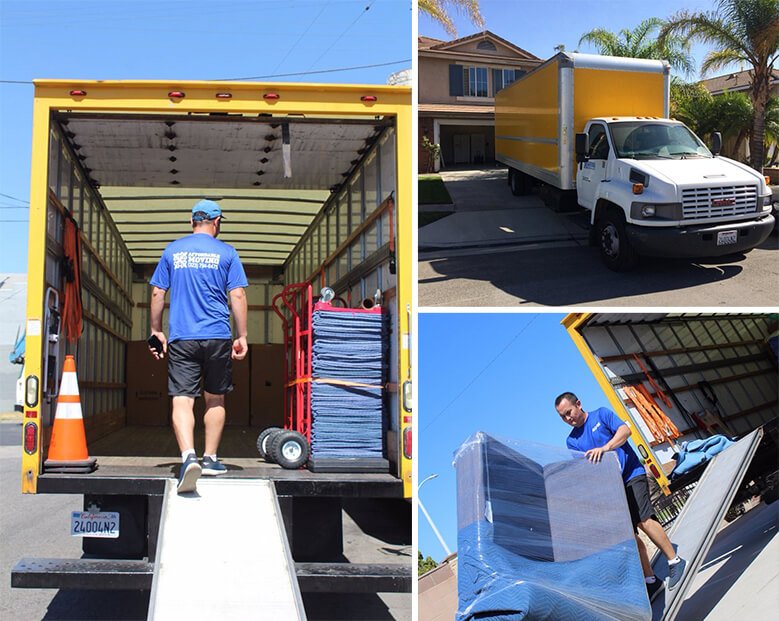
    What Is the Cheapest Way to Move Across the Country?

    Cross-country moving can be notoriously expensive no matter how you approach it. In fact, the average cost of a long-distance move runs anywhere between about $2,000 and $10,000 depending on whether you DIY or hire help. As a Los Angeles-based moving company, Affordable Moving LLC has seen firsthand how quickly costs add up – from truck rental fees and gas to lodging on the road or full-service mover charges. In this article, we’ll compare the most cost-effective ways to move cross-country, from do-it-yourself (DIY) options like rental trucks and portable containers to hiring professional movers. By understanding the pros, cons, and typical prices of each method, you can choose the option that best fits your budget and needs while keeping your move as affordable and stress-free as possible.

    Cheapest way to cross-country moving

    DIY Moving Methods: Save Money with a Little Elbow Grease

    One of the surest ways to cut costs on a cross-country move is to do it yourself. DIY moving methods generally have lower base expenses, but require you to put in the labor and planning. We’ll cover three popular DIY approaches – renting a moving truck, using portable storage containers, and shipping your belongings – and weigh their pros, cons, and approximate costs.

    Renting a Moving Truck: Pros, Cons, and Cost

    Renting a moving truck (from companies like U-Haul, Budget or Penske) is often the go-to cheap option for long-distance moves. Cost-wise, truck rentals tend to be the lowest priced option for transporting a household across the country. For example, depending on the distance and size of truck, rates often linger under about $3,000 for a one-way cross-country rental. This base price typically includes the truck for a set number of days and a mileage allowance.

    However, it’s important to budget for extra expenses on top of the rental fee. Fuel is a major added cost – a fully loaded 20-26 ft moving truck only gets around 8–10 mpg, so gasoline for a cross-country drive can easily cost several hundred dollars. You’ll also need to factor in tolls, insurance, and lodging or food on a multi-day drive. Once you add these on, a “cheap” truck rental can still end up costing a few thousand dollars in total for a coast-to-coast move.

    Pros: The big advantage of a DIY truck rental is that it’s typically the cheapest base cost for moving a large volume of goods. You have full control of the schedule – you can load and drive on your own timeline, and there are many truck sizes available to fit different home sizes. Rental trucks are also easy to book online, and major providers have nationwide drop-off locations, making logistics straightforward.

    Cons: On the downside, all the work is on you – and it’s a lot of work. You’re responsible for packing every box, lifting and loading heavy furniture, driving the bulky truck for thousands of miles, and then unloading everything at your destination. Not everyone is comfortable driving a 26-foot truck, especially through unknown cities or mountains. Additionally, the add-on costs can pile up – you may need to rent moving equipment (dollies, straps), purchase supplemental insurance for the truck and your goods, and pay for gas and hotels out of pocket. These factors can erode some of the savings of the DIY approach. In short, truck rental is the cheapest way on paper, but be prepared for a long journey and some hard labor to realize those savings.

    Portable Storage Containers: Flexibility at a Mid-Range Price

    Portable storage containers like PODS (pictured) offer a convenient DIY option: the container is dropped off at your home for you to load at your pace, and the company handles transport to your new location. With this option, a company delivers a large storage container (often 8’ to 16’ in length) to your driveway. You load your belongings into the container yourself, but you don’t have to drive it cross-country – the company will pick up the loaded container and ship it to your new home. If you don’t have a new address secured, they can also store the container for you (usually for an extra monthly fee).

    In terms of cost, moving container services generally fall in between a truck rental and full-service movers on the price spectrum. You’re paying for the convenience of not driving, but since you handle the packing and loading, it’s cheaper than hiring a moving crew. The exact pricing depends on the container size, distance, and how long you keep it, but for long distances you can expect roughly $3,000 to $6,000 total in many cases (this often includes one month of storage). For example, one source found that a portable container move from New York to Los Angeles averages around $4,400, which is a bit more than a rental truck once fuel is included, but still well below a full-service move. In fact, container moves tend to be in the same ballpark as renting a truck in terms of overall cost – except you don’t have to personally drive a huge vehicle across the country.

    Pros: Using a moving container offers greater flexibility and less hassle than a full DIY drive. You get to load at your own pace (often a window of days or weeks), and you avoid the stress of driving a truck long-distance. The containers are ground-level loading, making it easier to carry items in (no steep ramps to push up). If your schedule is uncertain, the built-in storage option is a huge plus – the container can be stored securely until you’re ready for delivery. Also, you typically pay only for the container size you need, and companies offer multiple sizes (e.g. 8’, 16’ containers) to fit different households.

    Cons: The main drawback is cost – container services, while cheaper than full movers, do cost more than a bare-bones truck rental. You’re essentially paying a premium for transport and storage convenience. Additionally, you still have to do all the packing and loading labor yourself (or hire help for that). Access can be a concern too: you need a place to drop the container at both origin and destination (some urban areas or apartments might not allow this). Lastly, getting quotes for container moves sometimes takes more effort – many container companies require you to call for a detailed quote based on your move specifics, rather than giving instant online estimates. This means you may have to spend a bit of time shopping around. Overall, for a mid-range budget, portable containers offer a nice compromise: you handle the loading work, but you save on driving and get flexibility in timing.

    Freight Shipping or Mailing Items: Best for Small Loads

    If you’re moving a very small household or just a limited number of items, you might consider shipping your belongings instead of renting an entire truck or container. This approach can take a few forms, such as freight shipping, or simply mailing boxes via parcel services. The idea is to pay only for the space or weight you actually need to move, which can be the cheapest way to move cross-country for a small load.

    One option is using standard shipping carriers to send boxes to your new address. For example, you could box up your clothes, books, and smaller household items and ship them ground service. Parcel shipping costs will vary based on weight and dimensions of the boxes, so you’ll want to compare rates and choose an economical ground shipping option. This method is straightforward if you only have, say, a studio apartment’s worth of belongings or less. It saves you from driving anything at all – you just drop off packages or have them picked up.

    For larger furniture pieces or a small apartment move, freight shipping is a viable alternative. Freight companies allow you to share space on a truck or trailer with other shipments. For instance, services or freight brokers can drop off an empty trailer or crate, let you load your items (or put them on a pallet), and then transport them with other freight going the same direction. Your belongings occupy only part of the truck, so you’re charged only for the portion of space (or weight) you use. This can be more affordable than paying for an entire truck when you don’t have much stuff. Freight shipping does require coordination on pickup and delivery timing, and your items may take a bit longer in transit (since the truck makes other stops), but it’s often an economical choice for small long-distance moves.

    Cost: The cost for shipping items cross-country can range widely depending on the amount. To give a rough idea, moving industry data shows that freight shipping a cross-country load might cost roughly $1,000 up to $5,000 depending on volume and distance. Sending a single couch or a few boxes could be closer to the low end, whereas shipping several large pieces of furniture could approach a few thousand dollars. If you’re just mailing boxes, you might calculate the cost per box (for example, a large 50 lb box might cost $50-$100 to ship cross-country, so ten such boxes could be $500+). Always compare the cumulative shipping costs against the price of a rental truck—you may find that if you have more than a very small load, renting a truck or container is cheaper overall. But for minimalist moves, shipping items can indeed be the cheapest and easiest solution.

    Pros: Shipping or freight can be very cost-effective for small moves. You only pay for what you actually need to transport, whether that’s a few boxes or a couple of furniture pieces. There’s no driving involved on your part, and professional transporters handle the long-distance hauling. This method is also scalable – you can ship just the high-priority items (or bulky items) and carry the rest in your car, for example. It’s a useful approach if you’re moving in stages or only relocating a part of your household.

    Cons: This method doesn’t make sense for larger households – if you have a lot of furniture and boxes, the total shipping costs could exceed other options, and coordinating dozens of shipments would be impractical. There’s also more planning and research needed: you’ll likely have to get quotes from freight companies or calculate package shipping for each item. Packaging becomes crucial too – you must pack everything very securely for it to survive carriers who might stack or jostle your items in transit. Finally, you may end up with a longer wait to get all your stuff (freight shipments can take 1-3 weeks depending on schedule). In short, freight or mailing is best for small, manageable loads or specific items, but not a solution for moving an entire multi-bedroom home on the cheap.

    Hiring Professional Movers: Cost vs. Convenience

    Professional movers for cross-country moves

    When it comes to a cross-country move, the most convenient option is to hire a professional moving company to handle everything. Full-service movers will pack your belongings, load the truck, transport your items cross-country, and even unload at your new home. It’s the white-glove, low-stress approach – but it can carry a high price tag. Let’s break down the costs and benefits of hiring professionals, and when it might actually be worth the cost.

    Cost (Average Prices): Hiring professional long-distance movers is usually the most expensive moving method. You’re paying for a trained crew’s labor, the moving truck and fuel, and often additional services like packing materials, insurance, and so on. Cross-country moving jobs by reputable companies can range anywhere from around $5,000 on the low end to $10,000 or more for large or long-distance moves. The price depends on the distance, the total weight or volume of your belongings, and any extra services you require (packing, specialty item handling, etc.). For instance, one estimate for moving a moderately furnished 2–3 bedroom home from New York City to Los Angeles (about 2,800 miles) is roughly $5,700 with a full-service mover. It’s worth noting that if you only have a very small load (like a few items or a studio apartment), some moving companies offer special rates or consolidated shipments that could be as low as a couple thousand dollars – but for most typical households, professional movers will be the priciest option. Try our cross-country moving calculator to estimate you moving cost.

    Why consider it, then? Because what you get for that higher cost is value in other forms – time saved, labor avoided, and peace of mind.

    Benefits of Hiring Professional Movers include:

    • Time and Effort Savings: You won’t have to lift heavy furniture, navigate a truck, or spend days in transit. The movers handle all the packing, loading, driving, and unloading, which saves you a tremendous amount of time and physical effort during an already stressful life event. This is especially valuable if you cannot take much time off work or have other responsibilities.
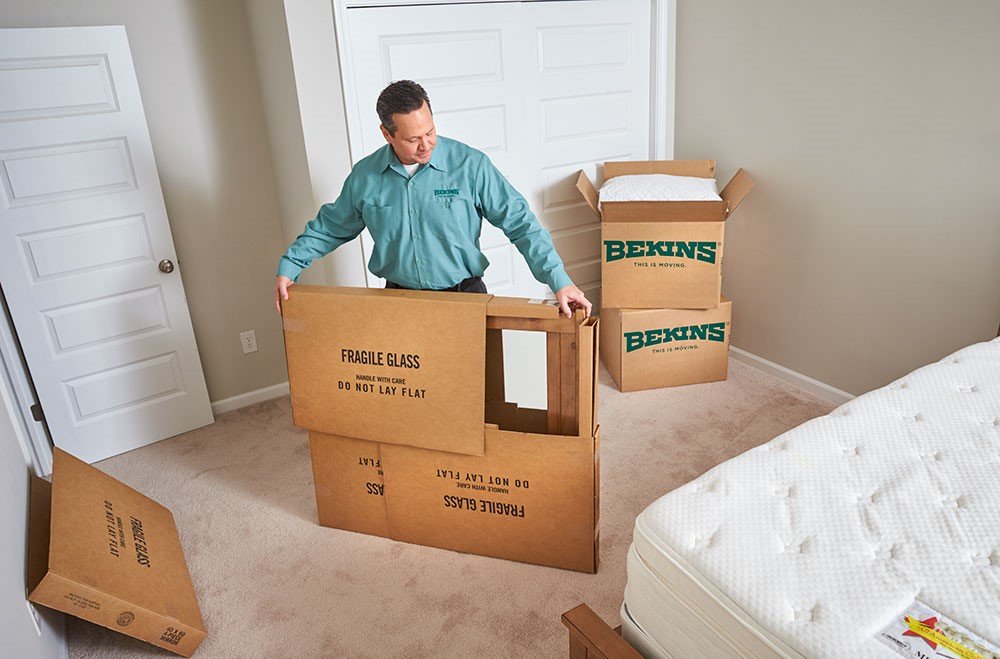
    • Safe and Expert Handling: Professionals bring expertise and experience in handling delicate or valuable items and in loading a truck efficiently. They have the right equipment (dollies, lift-gates, padding) to move large items safely. This reduces the risk of you injuring yourself or damaging your belongings. Your items are also covered by liability insurance during the move – if something is broken or lost, the mover’s policy can compensate you (up to certain limits).
    • Reduced Stress: With a full-service mover, much of the logistical worry is off your shoulders. A professional team coordinates the details, which greatly reduces the stress of a cross-country move. You can focus on family, work, or travel arrangements while the movers tackle the heavy work. Many people find the expense is worth the peace of mind knowing experts are handling the relocation.
    • Additional Services: Moving companies often offer add-on services that can make your move easier, such as packing services, furniture disassembly/reassembly, storage solutions, or even unpacking at your destination. These services (usually for additional fees) can solve specific problems and further streamline your move. You’re effectively buying convenience at every step.

    When Professional Movers Might Be Cost-Effective: It may seem counterintuitive, but there are scenarios where hiring movers can be more economical or practical than a DIY move. If you have a large household (multiple bedrooms of furniture) or heavy, specialty items (piano, large appliances), the logistics of moving those yourself can be very challenging and risky. You might end up needing to rent special equipment or hire labor help even if you rent a truck, which starts to narrow the cost gap. Also, consider that a cross-country drive has its own costs (fuel, motels, your time off work). In some cases, when you tally up all those costs and the value of your time, paying a mover begins to look more sensible.

    For families with young children or pets, or people who simply cannot take on the physical toll of a DIY move, using an affordable professional mover may actually be the “cheapest” realistic option once you factor in personal costs and risks. Industry experts note that for those with a lot of stuff or complicating factors, a budget-friendly moving company can ultimately save you money and headaches in the long run. Essentially, if doing it all yourself is likely to lead to damage, health risks, or significant inconvenience, then the higher upfront price of professionals can pay off. Every move is different – the key is to weigh the dollar cost against the intangible benefits of less stress and effort.

    Of course, hiring movers requires due diligence: always vet companies for proper licensing and insurance, and watch out for deals that seem too good to be true (rogue operators might lure customers with low quotes and then inflate costs). But with a reputable company like Affordable Moving LLC, you can get a fair price and the confidence of an experienced team handling your cross-country relocation.

    Cost Comparison: DIY vs. Professional Methods

    To recap the cost considerations, here’s a quick comparison of the major cross-country moving methods. Note: Actual prices vary by distance, load size, and season, but these are rough ranges for a typical long-distance move:

    MethodEstimated Cost (Cross-Country)Key ProsKey Cons
    DIY Truck Rental~$1,500 – $4,000 (plus fuel, lodging)– Lowest base price of all options– Full control of schedule and routeLabor-intensive: you do all packing, loading, driving– Extra costs for fuel, insurance, hotels, etc.
    Portable Container~$3,000 – $6,000 (depending on distance and size)– No driving required (company transports the container)– Can double as storage unit (flexible timing)– Mid-range cost (more than truck rental)– You still handle all the packing and loading work
    Freight Shipping / Mailing~$1,000 – $5,000 (for small loads)– Pay only for the space/weight you need (good for small moves)– No need to drive; professionals handle transport– Not practical for large household moves– Requires careful packing and coordination of shipping logistics
    Full-Service Movers~$5,000 – $10,000 (for long distances)Hands-off convenience: entire move handled by pros– Time-saving, with packing, loading, and driving done for you; includes basic insurance coverage– Highest cost option upfront– Less flexibility (must work on the movers’ schedule; potential for delays or added fees)

    (Cost ranges above are general estimates for a cross-country move. Your actual quotes may differ based on location, season, and how much stuff you have.)

    Tips to Reduce Moving Costs Regardless of Method

    No matter which moving method you choose, there are plenty of ways to save money on your cross-country move. Here are some expert tips to keep costs down:

    • Downsize before you move. The golden rule is: the less you move, the cheaper the move. Long-distance moving costs are often based on volume or weight, so purge any items you don’t truly need. Sell, donate, or dispose of old furniture, clothes, and clutter rather than paying to haul them across the country. Remember, the more stuff you own, the more expensive your move will be – getting rid of excess can significantly cut costs.
    • Move during the off-season if possible. Summer is peak moving season, when demand (and prices) are highest. If you can schedule your move for the fall or winter months, you’ll often get lower quotes and more availability. Cross-country movers and truck rental rates tend to be cheaper from about October through March compared to the busy summer. Similarly, aim for a mid-month, mid-week move date – avoiding end-of-month and weekends can sometimes save money too.
    • Compare quotes and ask about discounts. Don’t take the first estimate you get. Shop around with multiple companies – whether for rental trucks, containers, or movers – and let them know you’re comparing options. Many movers will price-match or offer competitive rates. Also ask about discounts: movers and truck rental firms often have discounts for AAA members, military, seniors, students, or even simply booking online. These can shave a good chunk off the price if you qualify. Being upfront about your budget and timing might lead to special offers or the ability to negotiate a better deal.
    • Pack yourself and source free materials. One simple way to reduce costs is to do your own packing instead of paying movers to pack (if you chose a full-service option). Packing labor can be costly, so DIY here if you can. Get moving boxes for free from local stores or online marketplaces (people often give away used boxes). Use towels, blankets, and clothing you already have as padding to save on bubble wrap. In general, avoid paying for extra packing supplies that you could find for free or cheap. Just ensure you pack carefully to prevent damage, since a poorly packed box can cost you if items break.
    • Plan and book in advance. Last-minute moving arrangements can be expensive. If possible, reserve your truck or movers well ahead of time. Booking 4-8 weeks in advance can not only guarantee you the availability on your desired dates, but sometimes it locks in lower rates before they rise closer to peak times. The farther ahead you book, the better chance you have of getting the services you need at a good price. Early planning also gives you time to strategize – for example, to prepare a hybrid moving approach (such as shipping some items and driving others) that can save money.

    By following these tips – trimming your load, choosing the right timing, and being savvy about planning – you can significantly reduce your moving expenses no matter which method you use. A little extra effort and flexibility can translate into hundreds or even thousands of dollars saved.

    Choosing the Most Affordable Way to Move

    When asking “what is the cheapest way to move across the country,” the honest answer is “it depends.” It depends on your budget, how much stuff you have, how much work you’re willing (or able) to do yourself, and what you value most in the moving process. If you’re a young individual with a light load, driving a rented truck or packing a small container might be the absolute cheapest route. If you have a family, a large household, or special circumstances, a DIY move’s challenges might outweigh the savings – and a professional mover could be the more cost-effective choice when you consider the big picture.

    As we’ve discussed, DIY methods like truck rentals or freight shipping can save you money, but require significant time and effort. Hiring professional movers, on the other hand, minimizes effort and risk at a higher dollar cost. For many people, a hybrid approach ends up being ideal: perhaps you rent a truck for the bulk of your items, but hire movers at both ends to help load and unload, or you ship out some items and drive the rest in a smaller rental truck. By mixing strategies, you can balance cost and convenience to fit your situation.

    Our expert recommendation: Start by evaluating your move’s specifics. Get a few quotes for each approach – a truck rental quote, a container quote, and a full-service moving quote. Compare the totals (and remember to factor in the “hidden” costs you’d incur with each). Consider your own bandwidth for driving and lifting. The cheapest option on paper isn’t always cheapest when you factor in personal costs like exhaustion, potential injury, or time off work. Choose the method that offers the best value for you. If you’re still unsure, you can even consult a reputable moving company for advice – many will give honest input on where you can save money, even if you don’t end up hiring them outright.

    In the end, the goal is to make your cross-country move affordable and successful. With careful planning, budgeting, and the strategies outlined above, you can relocate on a budget without sacrificing your peace of mind.

    Make Your Cross-Country Move Affordable with Affordable Moving LLC

    Planning a long-distance move from Los Angeles or elsewhere? Affordable Moving LLC is here to help make your cross-country move both affordable and stress-free. With years of experience in long-haul moves, we offer competitive rates and personalized service to fit your budget. Whether you decide on a DIY approach or need full professional assistance, our team can provide as much or as little help as you require. Contact Affordable Moving LLC today for a free, no-obligation quote and let us show you how moving across the country can be easier and more cost-effective than you think. We’re committed to delivering top-notch service at an affordable price, so you can start your new journey with confidence and extra savings in your pocket. Safe travels and happy moving!

  • Is It Cheaper To Use Pods or a Moving Company

    Is It Cheaper To Use Pods or a Moving Company

    Many people planning a long-distance move struggle with a common dilemma: should you use a portable moving container like PODS, or hire a professional moving company? This is especially important for cross-country moves, where costs and logistics really add up. On one hand, PODS (and similar container services) promise flexibility and potential savings if you’re willing to do the packing and loading yourself. On the other hand, full-service movers handle all the heavy lifting and logistics, but often at a higher price. In this article, we’ll compare the cost and service differences between PODS and professional movers for long-distance relocations. We’ll look at average cross-country costs (including how storage, fuel, and other hidden factors play in), service differences like effort and scheduling, a clear pros and cons comparison, and tips on when each option makes sense. By the end, you’ll have an expert perspective – and Affordable Moving LLC’s recommendation – on the best choice for an affordable cross-country move.

    Is it cheaper to use pods or a moving company?

    Cost Comparison: PODS vs. Professional Moving Companies

    Average Long-Distance Move Costs – PODS: For cross-country moves, renting a portable container like PODS can initially appear cheaper than hiring a mover. The typical cost to move cross-country with PODS ranges from around $3,000 up to $8,000+ (this usually includes transportation and one month of storage in the price). The wide range depends on the distance, the size and number of containers needed, and the season. For example, a long-distance move of ~1,500 miles using one large PODS container might cost about $2,999. Smaller interstate moves or minimal shipments can sometimes be on the lower end (even around ~$1,000–$3,000 for one container), whereas larger, coast-to-coast moves requiring multiple containers can push PODS costs toward the upper end (around $6,000–$8,000). It’s important to note that every PODS move comes with a month of storage built-in, so if you don’t need storage you might be paying for time you won’t use – but if you do need storage, that built-in month is a useful value.

    Average Long-Distance Move Costs – Moving Companies: Hiring a professional moving company for a cross-country move typically costs more upfront, but it includes comprehensive service. On average, full-service movers charge roughly $4,000 to $9,000 (or more) for a long-distance move, depending on the distance and the size of your household. Industry data shows the normal range for cross-country moves is about $2,400 to $7,000+, with a median around $4,500. Large homes (multiple bedrooms) on a coast-to-coast move can even reach the $10,000+ tier. For instance, the average cost of a long-distance move (~1,500 miles) with a professional moving company is around $5,000. This higher price typically includes all the labor (packing, loading, driving, unloading) and often basic insurance coverage for your belongings.

    Cost Gap Is Narrowing: It’s worth noting that the price difference between PODS and professional movers is not as dramatic as it once was. In recent years, many long-distance moving companies have lowered their rates to compete with PODS. While PODS may still be cheaper at first glance, the savings average only about $800 to $2,000 compared to hiring movers. For example, a small cross-country apartment move might cost ~$2,300 with PODS, versus $3,000–$3,500 with a mover (all services included). For a large family home, PODS could run $6,000–$8,000 whereas full-service movers might quote $7,000–$9,000 – in that case PODS might save only ~$1,000 for a lot more work on your part. The bottom line: long-distance PODS tends to be somewhat cheaper than a mover, but not by a huge margin once you account for everything.

    Hidden Costs and Extras to Consider

    When comparing costs, don’t forget about hidden or add-on expenses that can creep into your total bill:

    • Fuel Surcharges: Professional movers often incorporate fuel costs into long-distance quotes, and some may add a fuel surcharge (a percentage of the cost or a per-mile fee) as a separate line item. With PODS, the transportation charge is built into your container price, so you’re not buying gas directly – however, extremely long distances will simply reflect in a higher transport fee. (If you were comparing to renting a truck, fuel would be a major extra cost, but with PODS or a mover it’s embedded or surcharged rather than pay-at-pump.) Keep an eye on mover quotes for any “mileage fee” or fuel cost – for a cross-country move this can be significant.
    • Insurance & Liability: Both PODS and moving companies offer optional coverage for your items, but it works differently. With PODS, you’ll likely need to purchase their contents protection plan if you want coverage for damage or loss; these plans can range from around $10 up to $450 per month based on coverage amount and container contents. If you decline coverage, your homeowner’s insurance might cover some incidents, but generally you bear the risk for any damage to your items since you packed the container. By contrast, professional movers are required by law to include basic liability coverage (usually $0.60 per pound per item) for free, and they offer higher protection (Full Value Protection insurance) for an added cost. Full Value Protection with movers will increase your cost (often a few hundred dollars extra, depending on your items’ value), but it means the company is liable to repair or replace items if they get damaged. Bottom line: if you want your items fully insured, both PODS and movers will charge extra – but with a mover, you at least have basic coverage included whereas with PODS you’ll likely add a protection plan for true peace of mind.
    • Storage Fees: As mentioned, a PODS quote includes one month of storage by default for long-distance moves. If you need additional storage time (for example, you want the container held at a warehouse for extra weeks or months before delivery), you’ll incur monthly fees roughly $150–$300 per month for the container rental. With moving companies, long-distance moves are typically direct, but if your new home isn’t ready, you can request storage-in-transit. Movers will unload your items into a storage facility and redeliver later, but this service isn’t free – you’ll pay for the storage period (often a monthly or daily warehouse rate) plus possible handling fees. This can run a few hundreds of dollars per month depending on volume. In short, PODS offers a convenient built-in storage option, whereas with movers it’s a separate process and cost. If you know you need storage, that tilts the cost equation more in favor of PODS (since one month is included and extra months are straightforward).
    • Packing Materials: Don’t overlook packing supplies when budgeting. With PODS or any DIY approach, you must buy your own boxes, tape, packing paper, moving blankets, etc. Those costs can add up (several hundred dollars for a 3-bedroom home’s worth of materials, easily). If you hire professional movers for a full-pack service, the quote will typically include all boxes and materials they use – but that service costs significantly more than a basic load-and-go move. If you hire movers just to transport and you do the packing, you’ll still be buying materials yourself. Either way, packing materials are a semi-hidden cost: with PODS it’s 100% on you to provide them, while with movers it depends on the service level (you might pay extra for packing service, or handle it yourself). Be sure to factor this in if you go the PODS route, and ask movers if packing supplies are included in your quote.
    • Labor & Equipment: One of the biggest “extra” costs with PODS is the labor to load and unload the container. The base PODS price does NOT include any human movers – it’s essentially a DIY service. If you don’t plan to lift every box and piece of furniture yourself, you may hire local moving labor to help. For example, you might use a service to get workers to load your PODS container at your old home and unload at your new home. This labor typically costs several hundred dollars at each end, depending on how much stuff and how long it takes (e.g. $200–$600+ per side). When you compare costs, remember to add labor costs to PODS if you won’t truly do it all alone. Professional moving companies, by definition, include the labor in their price – the team of movers and a truck are part of the package. Beyond labor, consider equipment: with PODS you might need to rent or buy equipment like dollies, furniture pads, or straps to secure items. Movers bring their own dollies, hand trucks, furniture blankets, and straps as part of their service. These “little” extras of a DIY move can be another hidden expense (or at least hassle).
    • Extra Fees and Surcharges: When getting quotes, look carefully at what’s included. Moving companies might add fees for things like fuel (as discussed), tolls, insurance, or specialty services. If you have stairs, long carries (long distance from door to truck), or bulky items (piano, pool table), professional movers often have surcharges for those. Ensure those are either included in a flat quote or accounted for. With PODS, your costs are more straightforward: container rental, delivery fees, and storage time. For PODS, typical extra fees include a delivery or pick-up fee (averaging $75–$150 each time they drop off or pick up the unit), and any required permits (if you need to put a container on the street, some cities require a permit fee). Luckily, PODS usually doesn’t surprise you with misc. fees beyond what you sign up for – but if you live in a tight urban area, ensure you budget for permit or parking costs for the container placement.

    In summary, PODS might have a lower base price for a long-distance move and offers storage time included, but professional movers’ quotes cover more services. When tallying the true cost, include all the hidden costs: a DIY container move means budgeting for packing supplies, possible equipment rental, labor help, and added insurance, while a moving company might have add-on fees for extra services or special circumstances. It’s wise to get detailed quotes from both and do a side-by-side comparison of total costs for your specific move.

    Service Comparison: How Do PODS and Moving Companies Differ?

    Cost is only part of the equation. The service experience with PODS vs. full-service movers is dramatically different. Below we break down key factors – from the effort you’ll expend to timing, flexibility, and what services are (or aren’t) included:

    • Effort Required (DIY vs. Full-Service): Choosing PODS means doing a lot of the work yourself. You’ll be responsible for packing all your belongings securely in boxes, loading the container on your own (or with friends/hired help), and later unloading at your destination. It’s a hands-on, DIY move. In contrast, hiring a moving company is mostly hands-off for you – a professional crew handles all the heavy lifting. Full-service movers can pack your items, disassemble furniture, load everything onto the truck, drive it cross-country, and unload/unpack at your new home. Essentially, PODS saves money by replacing movers with your own labor, whereas a moving company charges more but saves you a great deal of time and physical effort. Consider your ability and willingness to lift furniture and spend days loading a container. If you have health issues or a lot of large, heavy items (piano, appliances), a mover’s services can be well worth it. PODS is best for those who don’t mind a “do-it-yourself” move and perhaps even find some satisfaction in controlling the process (or have strong friends to help out).
    • Flexibility and Scheduling: One big advantage of PODS is flexibility in timing. With a PODS container, you set the pace of your move. The company drops off your portable container and typically lets you have it for up to a month included in the price. You can take a few days or a few weeks to pack and load at your convenience, rather than cramming everything into one moving day. This flexibility is ideal if you want to spread out the work or if your moving dates are uncertain. You decide when to call PODS to pick up the container and transport it. Similarly, at your destination you can have the container delivered and unload over several days. In contrast, a professional moving service operates on a tighter schedule: you’ll have a scheduled loading day (often a crew arrives in the morning and by afternoon your entire house is loaded onto the truck) and a scheduled delivery window when they will drop off at the new home. You don’t have much control over the timing beyond picking the initial load date – after that, the transit and delivery are on the company’s timeline (especially for cross-country moves, where your shipment might share truck space). If you need more flexibility (say you’re not moving directly into a new home, or you want the option of a delay), PODS lets you essentially store your belongings safely until you’re ready. With movers, delaying delivery means paying for storage or waiting until an available delivery slot. In short: PODS = freedom to move on your own timeline; Movers = a fixed schedule orchestrated by the company.
    • Transit Times and Speed: When it comes to how long it takes to actually get your stuff across the country, there are differences but also some similarities. PODS transit times for cross-country moves are often in the range of 1 to 2 weeks, depending on the distance and route. Officially, PODS might estimate about 7–10 days for cross-country transport, but real-world experiences show it can take 14–21 days or more for very long distances (especially routes over ~1,500 miles). This is because PODS may ship containers via truck hubs or rail, and containers can stop at multiple distribution centers along the way. Also, PODS schedules transport based on availability and routing efficiency, not necessarily a direct express to your door. Moving companies’ transit times can vary too: If you hire a large van line and don’t have a full truckload, your belongings will likely share space with other customers’ shipments. The truck may make several stops across the country, and delivery can also take up to 2 weeks (10–14 days is common for coast-to-coast). Most movers will give you a delivery window (e.g. “between June 5 and June 15”) rather than a guaranteed date, unless you pay extra for expedited or exclusive truck service. One difference is that if timing is critical, you can often negotiate or pay for a guaranteed delivery date with a mover (for a premium fee) or choose a smaller moving company that drives straight through. With PODS, you generally cannot expedite beyond their standard process. So, neither option is necessarily fast if you’re moving cross-country – both can take one to two weeks in transit – but a full-service moving truck might arrive faster if it’s dedicated, whereas PODS is usually about convenience over speed. If you need storage time, PODS will happily hold your container, effectively slowing down the timeline until you request delivery (a perk if your new place isn’t ready immediately). With movers, if you need them to hold your goods, they put them in storage (which as noted adds cost and an extra load/unload step).
    • Protection, Insurance, and Liability: Service differences also show in how each handles the protection of your goods. When you use PODS and pack everything yourself, you are responsible for the packing quality. If something is fragile or improperly secured and it breaks in transit, that’s on you. PODS does offer content protection plans for purchase, but that typically covers catastrophic events (theft, fire, accident) or container damage – it may not cover breakage due to poor packing. With a professional mover, if you opt for them to do the packing, the mover assumes liability for any damage to those items (under whatever insurance/valuation level you selected). Professional crews are trained in proper packing techniques and will use padding, blankets, and custom crates for delicate items. They also inventory your items and typically label conditions, so there’s a process for claims if something is damaged. While movers also have limits to coverage (basic coverage is minimal unless you buy full insurance), at least you have recourse: if a mover drops your TV and it shatters, you can file a claim and be compensated (per the coverage plan). If you drop your TV while loading a PODS, well, you’re out of luck. Additionally, consider the risk of damage from shifting: Movers skillfully load a truck so items are tightly packed and secured; with a PODS container, you’ll want to mimic that by tying down items and distributing weight. If you don’t, things might shift and get scratched or topple in transit. In summary, professional movers provide expertise and some built-in liability coverage for protecting your stuff, whereas PODS puts the onus on you to pack carefully and optionally insure your goods.
    • Additional Services (packing, assembly, etc.): A full-service moving company can offer a menu of extra services that PODS simply doesn’t include. Need help packing up your kitchen and fragile items? Movers can do that (for an added fee or part of a premium package). Need someone to disassemble your bed, take down TVs or furniture, and then reassemble them in the new home? That’s standard for most moving crews – they come equipped with tools to dismantle furniture and will reassemble it on delivery. Professional movers will also protect your home’s floors and doorways, can arrange specialty crating for high-value objects, and even offer services like debris pickup (removing all the empty boxes after unpacking). With PODS, those tasks are your responsibility. The container service is very no-frills: they drop off a box and transport it; everything inside the box is up to you. You can hire third-party professionals for packing or assembly if needed, but again, that’s additional cost and coordination on you. Another service aspect is customer support and coordination. Larger moving companies provide a move coordinator or point of contact who updates you on your shipment, gives advice, and schedules things. PODS has customer service too, but the interaction is mostly scheduling drop-off/pick-up and billing, not so much hand-holding through the moving process. One more consideration: auto transport – if you need to ship your car as well, full-service moving companies often can arrange auto transport or include it in a bundle. PODS won’t move vehicles (aside from maybe you could put a motorcycle in a container if it fits, but not cars). So if you have a car to ship, that’s a separate service you’ll need to coordinate regardless, but movers might make it easier. All told, if you anticipate needing anything beyond basic transport of household goods, a moving company likely offers those extras, whereas PODS requires a DIY or patchwork approach for ancillary needs.

    To sum up the service comparison: PODS offers convenience in scheduling and potentially lower cost, but requires significantly more effort and responsibility from you. Professional movers offer a turn-key service that minimizes your workload and stress, with trained experts handling your belongings, but you trade that for higher cost and less scheduling flexibility. It’s a classic trade-off between money vs. time/effort, and the “best” choice will depend on your personal priorities for the move.

    Pros and Cons: PODS vs. Moving Company (Side-by-Side)

    To make the comparison crystal clear, here’s a side-by-side look at the pros and cons of using a portable moving container (like PODS) versus hiring a professional moving company for a long-distance move:

    PODS (Portable Containers)Professional Moving Company
    Pros: Often cheaper for long-distance moves – typically saves a bit of money (around $800–$2,000 on average) compared to full-service movers.Flexible timeline – you can pack and load at your own pace over days or weeks, and schedule pickup/delivery to suit your needs.Includes built-in storage time – usually one month of storage is included for long-distance, making it easy to store your container if your dates don’t line up.No need to drive a truck – the container company handles transport, so it’s easier than a DIY rental truck in that regard.Pros: Full-service convenience – the movers handle packing, heavy lifting, truck transport, and unloading. You literally don’t have to lift a finger on moving day, which reduces stress and physical strain.Professional expertise – experienced movers know how to protect and handle furniture and fragile items, reducing the risk of damage. They bring proper equipment (dollies, pads) and skill in loading for safe transit.Faster setup – movers can typically pack and load your entire home in a single day and deliver on a scheduled date, which can be quicker than a drawn-out DIY pack.Insurance/coverage included – basic liability coverage is included, and you have the option to get full moving insurance. If movers cause damage, they have mechanisms to compensate (per coverage terms).Additional services available – options for packing services, furniture assembly/disassembly, debris removal, etc., to simplify every aspect of the move.
    Cons: You handle all the labor – packing every box and loading the container is on you (or people you recruit/hire). No movers come with a PODS by default.Requires space/parking for the container – you’ll need a driveway or street parking permission to place the PODS unit. In some neighborhoods or apartments this can be a challenge (permits or HOA rules may apply).Potential for DIY errors – improper packing or loading can lead to damage in transit, and since it’s a DIY job, you carry that risk. Also, if you underestimate and need an extra container last-minute, costs can spike.Transit can be slower or less precise – you might wait 1-2+ weeks for your container cross-country, and delivery dates might be a range rather than a guarantee.Cons: Higher cost – convenience comes at a price. Full-service movers typically charge more than container services, sometimes by a couple thousand dollars for the same distance.Less scheduling flexibility – you must work on the movers’ timeline (pick-up on a set date, delivery within a window). There’s not much freedom to extend your packing time unless you pay for storage.Possible surprise fees – if not a flat rate, things like a fuel surcharge, long-carry fees for long distances from door to truck, stairs fees, or extra packing charges can increase the final bill. Always vet the quote details.Trust and handling – you’re entrusting strangers with all your worldly goods. While most movers are professional, you may worry about loss or damage (or scams if you choose a bad company). Due diligence is required to find a reputable mover.

    As shown above, PODS provides cost savings and flexibility, but at the expense of labor and potentially longer wait times. Professional movers offer a smoother, all-inclusive experience, but you’ll pay more and adhere to their schedule. Next, we’ll discuss how to decide which option is right for you.

    When to Choose PODS vs. When to Choose Movers

    Every move is unique. Your choice may depend on your budget, the size of your household, timing considerations, and personal preferences. Here are some guidelines on when each option makes the most sense:

    When to Use PODS (Portable Moving Containers)

    • Tight Budget & Willing to DIY: If keeping costs as low as possible is a top priority and you’re willing to put in the work, PODS can be a smart choice. You’ll likely spend a bit less than a full-service move, especially for smaller loads or shorter cross-country distances. For someone who doesn’t mind packing and loading (or maybe enjoys the control of doing it themselves), the savings can be worth it. For example, a single-person or couple with a modest amount of stuff might find PODS very affordable compared to paying a minimum charge from a big moving company.
    • Small Moves or Minimal Furniture: For a small household (studio or one-bedroom apartment) or a move where you don’t have a ton of heavy furniture, a single PODS container might accommodate everything. In these cases, the cost difference between one container and hiring a mover can be significant – movers often have a high minimum charge for long distances. If you can fit your belongings into, say, a 7 or 12-foot container, you’ll likely spend far less than hiring a big truck that isn’t full. PODS is ideal for one to two-bedroom moves that don’t justify a full 28-foot moving trailer.
    • Flexible Timeline: If your moving dates are not set in stone, or you want flexibility to spread the move over several days/weeks, PODS is very attractive. Perhaps you want to start loading early (to avoid a last-minute rush), or you need to vacate your current home by the 30th but your new place won’t be ready until the 10th of next month. PODS lets you keep your stuff stored in the interim without a separate storage contract – just keep the container for the extra days (paying the monthly rate if it goes beyond the included time). This way, you’re not rushed and can coordinate move-out and move-in at a comfortable pace. People who are selling a house and buying another often face timing gaps – a PODS container can hold everything during the gap. If you have uncertain plans, like you might travel cross-country yourself and arrive a couple weeks after your belongings, a PODS container can be scheduled to arrive when you do, no problem.
    • Temporary Housing or Staging Needs: For those moving but having to stay in temporary housing first (e.g., short-term rental or staying with friends before finding a permanent home), PODS is extremely handy. Your container can stay in storage until you have a place to deliver it. This prevents the scenario of moving twice (into a storage unit, then out again) – it’s one single load and unload. Also, if you’re doing a long-distance job relocation and aren’t sure where you’ll settle yet, you could send your items in a PODS to storage at the destination region while you live lightly for a bit. In general, if storage is needed as part of your move, PODS shines.
    • Easy Access and Parking Available: If you have a driveway or easy street parking for a container, and no strict HOA rules forbidding it, that removes a potential obstacle to using PODS. Suburban homes with space for a drop-off, or urban areas where the PODS truck can be accommodated, make the container option feasible. (Conversely, if you live in a dense city high-rise with no loading zone, PODS might not be allowed – that would be a case to lean toward movers who can work with loading docks and elevators on a set schedule.)
    • You Have Help or Can Hire It Separately: PODS is a good choice if you have a plan for the labor. Maybe you’re young and have a bunch of friends willing to help load up in exchange for pizza and beer – great, you can save a lot. Or perhaps you’re comfortable hiring local movers for a couple hours to load and unload, effectively creating your own hybrid move. This can still be cost-effective: for example, hiring local crews on each end for a few hundred dollars can bring the service level closer to a full mover while keeping overall cost lower. If you go this route, you coordinate those teams yourself (or via a service), but you remain in control of the process.

    In summary, choose PODS when budget is critical, your move isn’t huge, and you’re okay managing the logistics and labor. It’s best for folks who want maximum flexibility and don’t mind a bit of elbow grease to save money.

    When to Hire a Professional Moving Company

    • Medium to Large Households: If you’re moving a large family home (3+ bedrooms) or even a solidly furnished 2-bedroom, a professional moving company often makes more sense. Big moves involve tons of boxes and very heavy furniture – doing that yourself can be exhausting and impractical. Moreover, a large volume may require multiple PODS containers, which can drive the price up close to (or above) a mover’s price. For instance, if you think you’d need two or three full containers, you might not actually save much (if anything) by using PODS. At that point, letting a trained crew handle it is a wise choice. Full-service movers are efficient for large shipments, often completing in hours what might take you days.
    • Busy Professionals or Tight Schedule: If you simply don’t have the time to devote to packing a container gradually – say you have a demanding job, family obligations, or you need to relocate quickly – hiring movers will save you a tremendous amount of time. A full pack and move by a company might pack your home in one day and load the next day (or even all in one day), leaving you free to handle other aspects of the relocation. Similarly, if you’re on a strict timeline (e.g., you must be out and on the road by a certain date and want your stuff delivered soon after you arrive), a moving company can be scheduled to meet those deadlines (or at least provide a tighter delivery window than an open-ended PODS schedule). When time equals money, investing in pros can actually be cost-effective for you.
    • Physical Limitations or Special Items: Not everyone can lift couches and boxes – and that’s okay! If you have any physical limitations (injuries, older age, or you simply aren’t up for hauling heavy items in summer heat), don’t risk injury to save a buck. Professional movers are trained for this labor. Additionally, if you own specialty items that require expert handling – for example, a grand piano, a pool table, antiques, or a large safe – these are jobs for professionals. Movers have the equipment (piano dollies, liftgate trucks, rigging if needed) and know-how to move these safely. PODS would leave you figuring out how to do that, likely needing to hire specialists anyway. For high-value and fragile possessions (artwork, glassware, electronics), you might also feel more secure having movers pack and load them properly. Hire movers when the risk of damage or difficulty of moving items is high.
    • Long Distance Logistical Ease: A cross-country move has plenty of logistics to worry about – driving your family or flying out, vehicles, travel plans, settling housing paperwork, etc. Many people simply want the door-to-door logistics handled by someone else. When you hire a reputable long-distance mover, they take care of route planning, weighing the truck (if needed), dealing with scales, and all the other minutiae of interstate transport. You won’t be coordinating multiple parties or tracking a container; the moving company does it. If something goes wrong (truck breakdown, etc.), the company solves it behind the scenes. Essentially, for peace of mind, full-service movers are the way to go. You get a coordinator to call with questions and you’re not left wondering where your container is. If you prefer to have a single point of contact and leave the complex logistics to professionals, choose a moving company.
    • When Costs Are Comparable (Value of Service): As we discussed, sometimes the cost difference between PODS and a mover isn’t huge. If you get quotes and find, for example, PODS will cost $5,500 total and a full-service mover quotes $6,500, you might decide that $1,000 is well worth the far greater convenience and service. In other words, when the price gap is small, the value of what you get with professionals usually wins. Many moving companies, including Affordable Moving LLC here in Los Angeles, are quite competitive nowadays on long-distance moves. It’s very possible you can negotiate a deal that fits your budget. Especially consider this if you were planning to hire loading/unloading help with PODS – once you add those costs, a mover’s quote might be in the same ballpark. If so, save yourself the effort and go with the pros. Try our long distane moving cost calculator to estimate your next move.
    • Desire for Comprehensive Service: Some customers simply want it all taken care of. If you like the idea of a team coming in to pack your kitchen, wrap your furniture, and handle everything door-to-door, a moving company is the clear choice. Your move will be far less work for you personally. Families with young children, for example, often appreciate that movers can set up beds and assemble furniture at the new house, allowing the family to settle in faster. If budget allows and stress reduction is a priority, opt for the full-service move and let the experts manage the heavy work.

    In summary, choose a professional moving company when you value your time, need the extra help for a large or complex move, or when the cost difference is small enough that convenience wins out. Especially for long-distance moves from a big city like Los Angeles, having professionals navigate everything can prevent a lot of headaches.

    Expert Recommendation from Affordable Moving LLC

    Los Angeles moving company cheaper then Pods

    As a Los Angeles-based moving company with extensive experience in cross-country relocations, Affordable Moving LLC’s expert recommendation is to carefully weigh the true costs and your ability to handle the move. Both PODS and professional movers can be viable for long-distance moves, but they suit different needs. Here’s our take:

    For small moves or ultra budget-conscious situations, a PODS container (or similar service) can indeed be a cost-effective solution. If you have the means to do the labor – and especially if you require built-in storage time – PODS offers a lot of flexibility. We’ve had clients successfully move studio apartments cross-country by packing into a container and were quite happy doing it on their own terms. If you fall into that category, PODS might be the cheaper way to go, and you’ll likely manage fine without full-service help.

    However, for most long-distance moves (average-size household or larger), we generally recommend using a professional moving company. The smaller cost savings of PODS often don’t justify the significantly increased effort and the potential risk. Remember, the difference in cost is often around $1,000 or so, not tens of thousands. For that difference, with a mover you get a trained team, insurance options, and someone accountable for handling your belongings. In our experience, many DIY container users end up incurring extra costs (buying supplies, hiring help, etc.) and sometimes face unexpected issues like delayed delivery or surprise charges if they needed a second container or more time. Those situations can make the final cost closer to a full-service move anyway – but with far more stress on the customer.

    Affordable Moving LLC prides itself on providing long-distance moving services at prices competitive with PODS and other container options, while delivering far greater value. We’ve adjusted our pricing to be budget-friendly for cross-country moves, and we include all the standard services (truck, fuel, labor, basic coverage) so you know what you’re getting. Our professional crews handle the hard work, allowing you to focus on your new destination rather than the logistics of getting there.

    From an expert standpoint, the only time we’d fully endorse PODS over movers is if you truly have a minimal load and enjoy DIY projects, or if your situation absolutely requires the flexibility of keeping your items in a container for an extended period. In most other scenarios – especially for families, homeowners, or anyone moving a substantial amount of goods – the full-service moving experience is worth it. Your stress level will be lower, your items will be professionally protected, and the overall move can happen more efficiently.

    In fact, many clients come to us after getting a PODS quote, and they’re surprised to find our quote is similar (or occasionally even less once all factors are considered). When they realize that for roughly the same ballpark cost they can have door-to-door service with a trustworthy team, the choice becomes clear. Our advice: get quotes for both and factor in all the costs and effort. If a moving company can handle everything for a reasonable premium, it’s usually the better investment.

    Making Your Decision & Next Steps

    Deciding between PODS and a moving company comes down to balancing cost vs. convenience for your long-distance move. If you’ve read this far, you’re equipped with an in-depth understanding of both options. Now it’s time to apply it to your own move. Take a moment to consider your budget, the amount of stuff you have, and how much time and energy you can personally devote to the moving process.

    If you’re leaning towards the ease of a full-service move, we invite you to reach out to Affordable Moving LLC for a free, no-obligation quote. As a leading cross-country mover based in Los Angeles, we specialize in providing affordable long-distance moving services without compromising on quality or professionalism. Let our expertise and resources save you the backache (literally!) and give you peace of mind during your big move. You can call us or request a quote online – our friendly team will be happy to discuss your move details, provide an accurate estimate, and even help you compare it against container options so you can make an informed choice.

    Planning a cross-country move is a big undertaking, but you don’t have to do it alone. Whether you decide a PODS container is the right fit or you opt for the convenience of professional movers, the key is that you find a solution that makes you comfortable and meets your needs. If you have questions or want personalized advice, Affordable Moving LLC is here to help. Our moving consultants can offer honest guidance (we’ll tell you upfront if we think a PODS might be cheaper for you, and also when we believe our services provide better value).

    Ready to get started? Contact Affordable Moving LLC today to discuss your long-distance move. Let us show you how affordable a cross-country moving experience can be with a dedicated team on your side. We’re confident that with our combination of competitive pricing and top-notch service, you’ll see why so many clients choose us over DIY options. Make your cross-country relocation easier – request a quote or give us a call now, and take the first step toward a stress-free move!

  • What Is the Cheapest Way to Move Furniture Long Distance?

    What Is the Cheapest Way to Move Furniture Long Distance?

    Moving a house full of furniture long-distance can be expensive. In fact, the average long-distance move (around 1,000 miles) for a 2–3 bedroom home costs about $4,890. Why so high? Long-distance furniture moves involve transporting heavy, bulky items across many miles – which means paying for large trucks or containers, fuel, and often professional labor. In this article, we’ll explore the cheapest ways to move full-home furniture long distance and compare costs for different home sizes (1-bedroom, 2–3 bedroom, 4–5 bedroom). We’ll also give pro tips to save money and discuss when it makes sense to hire professionals movers like Affordable Moving LLC (Los Angeles).

    Why Are Long-Distance Furniture Moves So Expensive?

    Relocating an entire home’s furniture isn’t like shipping a small package – it’s a big operation. Costs add up from multiple factors:

    • Volume & Weight: A full home (even a 1-bedroom apartment) includes large, heavy furniture pieces. Movers often charge by weight or space. For example, a 2–3 bedroom load (~7,500 lbs) costs around $5,000–$9,000 on average to move 1,000+ miles.
    • Distance & Fuel: The farther you move, the more fuel a truck consumes. Large moving trucks get poor gas mileage (often ~8–10 MPG empty, even less when loaded), so fuel alone can cost several hundred dollars on a cross-country trip.
    • Labor & Time: Long-distance moves often span several days. You may need to hire help for packing, loading, driving, and unloading or invest your own time and effort. If you hire a full-service moving company, you’re paying for many hours of skilled labor.
    • Equipment & Logistics: The cost of renting moving equipment (trucks, trailers, or containers) and any storage or insurance add-ons will increase the total. Also, long-haul drivers and logistics coordination (routes, schedules) add to the expense.

    Overall, moving all your furniture cross-country can easily run into thousands of dollars, so finding cost-saving methods is key. Below, we compare the major options to achieve a budget-friendly move of an entire home’s furniture load.

    Major Cost-Saving Furniture Moving Methods

    There are four common ways to move a household’s furniture long-distance on a budget. We’ll discuss each and provide realistic price examples for a 1-bedroom move, a 2–3 bedroom move, and a large 4–5 bedroom home. The methods (from most DIY to full-service) are:

    1. Renting a Moving Truck (DIY)
    2. Using Portable Moving Containers
    3. Shipping via Freight Trailer
    4. Hiring Professional Movers – full-service moving companies that handle everything

    We’ll break down the costs, pros and cons of each:

    1. DIY Truck Rental

    DIY Truck Rental for long-distance furniture moving

    Renting a moving truck for a long-distance move is often the lowest-cost option upfront. You pick up a box truck, load your furniture, drive it to the new location, and return the truck. Major companies offer one-way rental trucks in various sizes (e.g. 10-foot for small moves up to 26-foot for large homes).

    • Cost: Truck rental prices depend on the truck size, distance, and duration. One-way long-distance rentals include a fixed mileage allotment. For example, a 1-bedroom apartment might use a 10-foot truck — roughly $1,500–$2,500 for a cross-country move (including rental fee and estimated fuel). A larger 2–3 bedroom home might require a 20-ft or 26-ft truck; rental quotes could be around $2,000–$4,000 for a ~2,500-mile move. For a 4–5 bedroom house, you’d need the biggest 26-ft truck (or multiple trucks) – expect around $3,000–$5,000 for a cross-country trip after adding fuel and possible extra mileage fees. (Example: U.S. News reported about $2,661 for a 10-ft truck vs $4,481 for a 26-ft truck on a cross-country route)
    • Fuel & Hidden Costs: Remember, fuel is not included in base rental rates. You’ll pay for gas (a coast-to-coast drive can easily exceed $500 in fuel for a loaded truck). Also budget for tolls, and possibly lodging and meals during your road trip. These travel costs can add up – one reason moving containers can sometimes rival truck costs (containers include transport, so you avoid paying for food/hotels while driving).
    • Labor: With a DIY truck, all labor is on you (and any friends or labor helpers you hire). You’ll be packing, lifting, and driving a large truck. For long distances, not everyone is comfortable piloting a 20+ foot truck across states.
    • Pros: This method typically has the cheapest base price. You have full control over timing (you drive on your schedule). It’s great for those on a tight budget who don’t mind doing the work. You can also tow a car behind in many cases.
    • Cons: It’s labor-intensive and stressful. Long hours on the road in a heavy truck (often without rear-view mirrors and with lower speeds) can be exhausting. You’re responsible for any accidents or truck damage (rental insurance is extra). Additionally, fuel costs and one-way drop fees make long-distance rentals more expensive than they first appear.

    Real-World Example: Moving a 2-bedroom worth of furniture ~1,000 miles with a DIY truck might cost about $1,100–$2,000 in truck fees plus ~$500 in fuel. That’s around $1,600–$2,500 total, assuming no extra labor costs. In comparison, the same move with a full-service mover could be $5,000+. This highlights why renting a truck is popular for budget-conscious movers.

    2. Portable Moving Containers

    Portable moving containers for cross-country moving furniture

    Portable moving containers are a convenient, cost-effective alternative. Companies deliver a storage container to your driveway. You load your furniture into it (or hire local labor to help), then the company picks up the container and ships it to your new home (often by truck or rail). You unload at your destination, and they take the empty container away.

    • Cost: You typically pay a single fee that covers container rental, transportation, fuel, and a certain rental period (often including 1 month storage if needed). For a 1-bedroom worth of furniture, usually one container (like a 8’x7’x7’ or a 16’ POD) suffices. A long-distance move for 1 container might cost around $2,000–$3,500 depending on distance. For a 2–3 bedroom home, you may need 2 containers (or one large 16-ft plus one smaller) – costs could be roughly $4,000–$6,000 for cross-country (e.g. PODS averaged about $4,128 for ~3 rooms over ~1,500 miles). A large 4–5 bedroom house might require 3–4 containers, which can get expensive – perhaps $8,000–$12,000 cross-country (at that point, a full moving truck or freight trailer might be more efficient). Moving three bedrooms ~2,800 miles with PODS costs about $3,000–$5,000, whereas full-service movers would be $4,500–$9,000.
    • Convenience: This method is often hailed as the “best of both worlds.” You get a fixed price (no worrying about gas or driving) and flexible loading time – usually you can take a few days to load your container at your own pace. It’s great if you need storage, too: many companies let you store the container for a month or more (often included in the price).
    • Labor: You still handle the packing and loading, unless you hire help. But you do not have to drive a truck. Once loaded, you lock the container and the company’s driver transports it. Transit times are typically about 1–2 weeks cross-country, though expedited options may be available.
    • Pros: No driving or fuel costs for you – transport is included. Greater security than a DIY truck because your items stay in the same locked container throughout (less handling means less damage risk). Ideal if you don’t want to drive a truck and might need storage at destination.
    • Cons: Cost can approach or equal truck rental for long moves, especially if you need multiple containers. You must have space to place the container at your home. And you still need to do the heavy lifting of furniture in and out (or pay local movers for loading services). Additionally, scheduling the drop-off and pickup requires coordination (you might be without your stuff for several days during transit).

    Real-World Example: For a 2-bedroom move from Los Angelesto New York (~2,800 miles), one might use 2 PODS containers for about $7,600 total (quote for two 16-ft PODS including transport and one month storage). The same move (28-foot trailer space) might come in a bit less, say $5,000–$6,000, since charges by used space. These container options often beat full-service mover pricing – which could be $7,000–$10,000 for that size/distance – making them one of the cheapest ways to move furniture long-distance.

    3. Freight Trailer Shipping

    Freight trailer shipping to move furnture long-distance

    Another budget-friendly method is to use a freight shipping service to move your furniture. Companies offer a 28-foot freight trailer that they drop at your location. You load your furniture (often you only pay for the linear feet you fill), then the trailer is hauled by a tractor-trailer driver along with other freight. This is essentially using the LTL (less-than-truckload) freight network for moving household goods. If you have a very large home, you might even book a full 53′ trailer (FTL) through a freight broker, but most households don’t need that much space.

    • Cost: Priced by space used (or weight, in some cases). For example, is 28′ long – if you only use 10 feet of it for your furniture, you pay for 10 feet (if you use more, you pay more, up to a cap). For a small 1-bedroom, you might use ~5–6 linear feet (~one ReloCube worth), costing perhaps $1,000–$1,500 for a few hundred miles, or around $1,500–$2,500 cross-country. A 2–3 bedroom home might fill about half the trailer (~14 feet), roughly $2,500–$4,000 for a long-distance move. A 4–5 bedroom house could approach a full 28′ trailer. These prices often include fuel and door-to-door transport. (For reference, a full professional van line 53′ trailer exclusively for a large home can easily be $10k+, so using a freight trailer you load yourself is cheaper).
    • How it Works: The trailer is parked at your home (you typically get 2–3 days to load). It comes with a movable divider wall. After loading your section, you secure your goods and install the divider – separating your stuff from other commercial freight that may share space. The driver then picks up the trailer and it goes through the freight network to your destination, where it’s dropped off for you to unload.
    • Pros: Cost-effective for large moves. You get charged only for the space you use. It’s often cheaper than multiple containers for big moves. Also, no need to drive a truck. Transit is fairly fast (often 3–7 business days cross-country) and your items stay on the same trailer (limited handling). Great for 4+ bedroom moves where rental trucks would require multiple trips or very large vehicles.
    • Cons: You still must do all the loading/unloading or hire help. You need a place to park a big trailer (28 ft trailer + cab clearance, usually about 40+ ft of space). In city areas, this can be challenging – sometimes you’ll need a permit or to load quickly from the street. Also, scheduling is key: usually you have a short window to load/unload before rental fees apply. Insurance coverage for freight may be limited (often basic carrier liability based on weight, unless you purchase extra coverage).
    • LTL Shipping for Small Loads: If you only have a single piece of furniture or a very small load, you might consider LTL freight without the trailer drop – for example, palletizing a furniture piece and using a freight carrier. However, LTL carriers are best for partial moves, not full homes.

    Real-World Example: A family moving a 3-bedroom household from Chicago to Texas used about 18 feet of a trailer and paid roughly $3,200 total. In comparison, their quotes for full-service movers were around $6,000+. For a larger 4-bedroom move from California to Georgia, using the entire 28-ft trailer might cost ~$6,000, whereas a moving company quote for that weight/distance could be $12,000 or more. Freight trailers clearly can be the cheapest way to move a large house, as long as you’re willing to handle the labor and logistics.

    4. Hiring Professional Long-Distance Movers (Full-Service)

    Hiring professional long-distance movers for furniture move

    The most hands-off (and typically most expensive) option is to hire a full-service moving company to move your furniture long-distance. With full-service movers, a trained crew will pack (optional), load, transport, and unload all your belongings. Companies can range from large van lines to smaller regional movers. While this option isn’t “cheap,” it’s worth understanding the costs and scenarios where it makes sense.

    • Cost: Full-service movers charge based on the weight of your goods, distance, and any additional services (packing, special handling, etc.). For a 1-bedroom apartment moving long-distance, you might pay around $2,000–$3,500. A 2–3 bedroom home (average ~7,500 lbs) could cost roughly $5,000–$9,000 for a cross-country move. For a large 4–5 bedroom house, budgets of $10,000–$15,000+ are common for coast-to-coast service. (These figures include loading, transport, unloading, basic insurance – packing services or additional insurance would cost more.) It’s the priciest method, but you’re paying for convenience and labor.
    • What’s Included: The moving company provides a truck (or several trucks) and typically a dedicated crew. They handle all the heavy lifting. Standard long-distance quotes include loading furniture, protecting it with blankets/padding, transportation, fuel, and unloading. Many companies also include basic liability coverage (e.g. $0.60 per pound per item coverage) and offer full-value insurance for an extra fee. Some offer additional services like packing your boxes, furniture disassembly/reassembly, storage in transit, or even white-glove setup – each for additional charges.
    • Pros: Easiest for you. The movers do the work while you travel by car or plane to your new home. This greatly reduces physical strain and stress. Professional handling also reduces damage risk – they know how to wrap and load properly. Delivery is fairly fast (usually a dedicated truck will deliver within a week for cross-country, though it can be longer if combined shipments). You also have recourse if items are damaged (through insurance/coverage claims).
    • Cons: Highest cost. You’re paying for labor and convenience – often 2×–3× the DIY cost. You also have less control over scheduling; you must work on the mover’s timeline for pickup and delivery windows. There’s also a risk of moving scams or rogue operators with very low quotes – one must vet movers carefully (check licensing, reviews). Finally, while you don’t carry the physical burden, it can be stressful to hand over all your possessions to a third party and wait for the delivery.

    Pros and Cons Comparison of All Methods

    To summarize, here is a side-by-side comparison of the four moving methods in terms of cost, labor required, convenience, speed, and insurance coverage:

    Moving MethodApproximate Cost (long-distance)Labor & Effort RequiredConvenience & FlexibilitySpeed of TransitInsurance Coverage & Protection
    DIY Truck RentalLowest upfront cost. e.g. ~$1,500–$3,000 for 1-2 bedrooms (plus fuel); ~$3,000–$5,000 for 4–5 bedrooms. Fuel, tolls, lodging extra.High effort: You do all packing, loading, and drive the truck yourself. May need to recruit help for heavy lifting.Moderate convenience: You control the schedule and route, but driving a large truck long-distance is stressful. Must handle truck pickup/return logistics.Variable speed: You decide the travel timeline, but driving time can be multiple days. No waiting for delivery – you arrive with your stuff.Limited coverage: Basic truck rental insurance doesn’t cover cargo by default. You can buy add-on insurance, but your items’ protection is limited (often your own risk).
    Moving ContainerModerate cost. e.g. ~$2,000–$4,000 for 1-2 bedrooms, ~$4,000–$7,000 for 3+ bedrooms. Transport, fuel included.Medium effort: You pack and load the container. No driving required. Can hire local labor for loading if needed (extra cost).High convenience: Container is delivered to your door. You typically get days to load/unload at your pace. Great for when you need storage time. No need to drive anywhere.Moderate speed: Shipment typically takes 1–2 weeks cross-country. You might be without your items for several days, but you can often track shipment.Basic coverage included: Most container companies include some coverage (e.g. $10K liability). You can often purchase additional insurance. Less handling means fewer opportunities for damage.
    Freight TrailerModerate cost (scales with size). Often cheaper than multiple containers for large moves. e.g. ~$2,000–$4,000 for 2–3 bedrooms, ~$5,000–$7,000 for a full 28-ft trailer cross-country.Medium effort: You load and unload your household into the trailer. No driving the truck. May need to meet a driver’s schedule for drop-off/pick-up.Moderate convenience: Trailer dropped at your location, but requires enough space to park. Time window for loading/unloading may be limited (usually 1-2 days without fees). More planning needed for urban areas.Fast transit: Comparable to container shipping – often 3-7 days cross-country since it moves via freight network. You might get your items quicker than container if on a direct route.Basic carrier liability: Included coverage is low (freight default ~$0.10/lb or specific minimal coverage). Many offer added insurance options for household goods. Items are stationary in one trailer, reducing handling damages.
    Full-Service MoversHighest cost. e.g. ~$2,500–$5,000 for 1-bedroom, $5,000–$10,000 for 2–3 bedrooms, $10,000+ for 4–5 bedrooms (exact prices vary widely by distance/weight).Low effort (for you): Crew does all packing (if added), lifting, loading, driving, unloading. Your main job is to inventory and supervise. Easiest physically and time-wise.Very high convenience: Door-to-door turnkey service. They handle logistics and scheduling. However, you have to align with their pickup/delivery windows. Offers peace of mind and time saved.Fast to average speed: Often movers give a delivery spread (e.g. 1-2 weeks cross-country). Dedicated shipments can be quicker (a direct truck). You don’t have to personally travel with the load, which frees you up.Included basic protection: Typically $0.60 per lb per article is included (minimal). Full-value protection available for purchase (covers repair/replacement of items at their value). Professional packing and handling also means lower risk of damage overall.

    Table: Comparison of moving methods by cost, required labor, convenience, speed, and insurance. (Note: Costs are illustrative for long-distance moves ~1,000–2,500 miles; actual quotes will vary. Insurance refers to cargo protection for your goods.). Want to estimate your long-distance move? Try our moving calculator now.

    As the table shows, truck rental is cheapest but demands the most work, while full-service movers offer maximum convenience at a premium price. Moving containers and freight trailers fall in between – often providing good value for medium to large moves when you’re willing to do the loading yourself.

    When It Makes Sense to Hire a Pro Mover Like Affordable Moving LLC

    While DIY methods save money, there are situations where paying for a professional moving company is worth it. How do you know when to hire the pros? Here are some scenarios:

    • Large or Complex Home Moves: If you have a 4–5 bedroom house (or lots of bulky, heavy furniture like pianos, pool tables, large sectionals), the logistics of a DIY move can be overwhelming. Multiple truck loads, special equipment, and heavy lifting challenges can make a full-service mover the safer choice. Pros have the manpower and tools (dollies, hoists) to handle oversized items safely.
    • Long Distance + Difficult Drive: Not everyone is up for driving a 20-foot truck thousands of miles through mountains or busy highways. If your move is coast-to-coast or involves tricky routes, you might prefer letting a professional driver handle it. This reduces risk of accidents or breakdowns on your journey – and saves you the nerve-wracking task of maneuvering a huge truck. Your focus can be on getting your family (and perhaps your car) to the new location safely by other means.
    • Time Constraints: Perhaps you can’t take time off work or you need to move out and in on very specific dates. Professional movers can pack and move an entire household in a day or two, which might take you weeks on your own. If time is more valuable to you than the moving cost, investing in full-service movers buys you efficiency. For instance, corporate relocations or last-minute moves often rely on pros to meet tight deadlines.
    • Fragile or Valuable Items: If you own high-value furniture (antique wood pieces, artwork, expensive appliances) that you worry about handling properly, professionals offer expertise and insurance. Affordable Moving LLC, for example, has experienced crews who know how to wrap and protect fragile furniture so it arrives intact. The peace of mind can be worth the cost when you have a lot at stake.
    • Need for Additional Services: Professional movers can provide packing services, furniture assembly, storage, and other add-ons. If you need a one-stop solution – say you want your entire house packed for you, moved, stored for a month, and then delivered and unpacked – a company like Affordable Moving LLC can coordinate all of that. DIY options can’t easily bundle those services.
    • Cost is Partially Covered: Sometimes a move is paid for or reimbursed by an employer (job relocation) or the government/military. In those cases, using a full-service mover is a no-brainer since your out-of-pocket cost is minimal. Even if not covered, if you can afford it, the reduced stress and physical strain has its own value.

    In summary, hiring a professional mover makes sense when the convenience, safety, and time saved outweigh the higher price. Many families ultimately decide that entrusting the heavy work to reliable movers is well worth it – especially for long-distance relocations. Affordable Moving LLC, based in Los Angeles, is one such trusted mover that offers full-service long-distance moving at competitive rates. They provide personalized service, helping clients plan the move, safely pack furniture, and deliver on schedule. If any of the above scenarios apply to you, getting a quote from a pro mover can’t hurt – you might be surprised how reasonable the cost is once you factor in fuel, hotels, and your time for a DIY move.

  • Efficient Storage: how to pack like a pro

    Efficient Storage: how to pack like a pro

    Renting a storage unit through Affordable Moving can be a perfect way to declutter, manage a move, or store seasonal items. However, just throwing things in a storage unit isn’t the best way to make the most of the space. With some thoughtful planning and smart packing techniques, you can maximize your storage unit’s capacity and still access your belongings when needed. Let’s dive into some top tips for packing your storage unit efficiently like a pro.

    1. Plan Before Packing

    Before you start moving things into your storage unit, it’s essential to take some time to organize. Begin by making a list of what you’re storing, dividing your belongings into categories such as fragile items, bulky furniture, and things you’ll need more frequently. This helps you prioritize placement in your unit and prevents frustration when you need to retrieve something.

    Sketching a basic layout or using an online tool to visualize where everything will go can be a huge help. Grouping similar items together makes the packing process easier and more efficient.

    2. Stick to Uniform Boxes and Containers

    One of the best strategies for optimizing space in your storage unit is using uniform boxes or bins. Standard-size boxes stack neatly, allowing you to take advantage of vertical space. Avoid using oddly shaped containers that may leave gaps or waste precious space.

    For better protection, use durable plastic bins with lids. These are more robust than cardboard boxes and protect your items from moisture and dust. Always label your boxes on multiple sides, so you don’t have to dig through everything to find what you need.

    3. Maximize Vertical Space with Shelving

    Adding shelves to your storage unit is a great way to maximize vertical space. This allows you to store items without stacking heavy boxes on top of lighter or fragile ones. Shelving also helps keep things off the floor, reducing the risk of damage from dust or possible water exposure.

    When setting up your shelves, put heavier items on the bottom and lighter ones on top. This approach ensures easy access to frequently used items and prevents accidents from falling boxes.

    4. Break Down Larger Items

    For items like large furniture or equipment, disassembling them before storage can save valuable space. Beds, tables, and shelves can all be broken down to allow for more compact storage. Be sure to label all parts and store screws, bolts, and other small pieces in clearly marked bags.

    Place the disassembled pieces near the back of the unit if you won’t need them anytime soon, ensuring they stay safe and out of the way.

    5. Leave Aisles for Easy Access

    It may seem counterproductive, but leaving an aisle down the middle of your storage unit will save you time and hassle in the long run. This simple step allows you to access items stored in the back without having to move everything in front of them.

    Although it feels like you’re using less space, the convenience of being able to retrieve items quickly and without frustration makes the aisle well worth it.

    6. Organize by Frequency of Use

    Think about how often you’ll need each item and pack your storage unit accordingly. Place frequently used items toward the front of the unit, while seasonal items or things you rarely need can be stored in the back.

    It’s a good idea to map out your storage unit and keep a copy at home. That way, you’ll know exactly where each item is stored without having to search through the entire unit.

    7. Use Furniture as Additional Storage

    Maximize your space by using the inside of your furniture for additional storage. Items like dressers, cabinets, and wardrobes can hold smaller items, giving you more room for larger boxes and bins. This strategy is especially useful for keeping small items organized while saving floor space.

    For appliances, like refrigerators, leave the door slightly open to prevent odors or mildew from forming.

    8. Stack with Care

    When stacking your items, place the heaviest, most durable boxes or bins at the bottom and lighter items on top. This ensures that delicate items won’t get crushed and that the stack remains stable.

    Try to stack boxes as high as you safely can to maximize vertical space, but avoid overloading the unit. Always make sure your stacks are secure to prevent them from toppling when you’re retrieving something from below.

    Conclusion

    Maximizing the space in your storage unit requires a bit of planning and strategic packing, but the results are well worth the effort. Following these tips from Affordable Moving, you can make the most of your storage unit in Los Angeles, ensuring your belongings are organized, safe, and easily accessible. Whether you’re storing items for a short-term transition or long-term solution, these techniques will help keep everything in order. With a well-packed storage unit, you’ll have peace of mind knowing your items are secure and ready when you need them.

  • What to Expect on Moving Day

    What to Expect on Moving Day

    After all the planning and packing, your moving day has finally arrived! At Affordable Moving, we know how important it is for the day to run smoothly, and we’re committed to making your relocation stress-free. Here’s a guide to help you understand how the day will unfold, so you’re prepared and know what to expect from start to finish.

    Initial Walkthrough: Getting Things Started during the moving

    When our team arrives, we’ll begin with a walkthrough of your home. We’ll introduce ourselves and ask you to point out which items are moving and which should stay behind. We’ll also note any pre-existing damage to furniture and belongings for liability purposes. This walkthrough helps us plan the safest and most efficient way to move your items.

    Parking the Moving Truck

    After the walkthrough, we’ll park the moving truck in the best possible location to minimize the time spent moving items in and out. If you have concerns about your driveway, such as recent paving or painting, let us know. We’ll park in a way that prevents any potential damage.

    Protecting Your Home and Belongings

    We take extra precautions to ensure your home and belongings are safe. Our team will protect doorframes, floors, and stair banisters from damage. For large items like beds and desks, we may disassemble them to make the move easier. Additionally, we’ll pad and wrap furniture to protect it during transport, ensuring it arrives at your new home in perfect condition.

    Efficiently Loading the Truck

    Loading the truck is a crucial step, and we follow a proven system to maximize space and security. We start with larger, solid items like dressers and tables, creating a strong base. Boxes and smaller items are stacked carefully on top, with lighter or fragile pieces placed at the top to prevent damage.

    Final Walkthrough Before Departure

    Before leaving, we’ll conduct a final walkthrough to ensure nothing has been missed. This is your opportunity to point out any last-minute items that need to be moved. Once you’ve confirmed that everything is ready, we’ll hit the road toward your new home.

    On the Road: Heading to Your New Home

    As we make our way to your new home, it’s important to have someone on-site when we arrive to guide the unloading process. Whether it’s you or a designated representative, your input will ensure everything is placed where it belongs, saving time and effort during the unloading phase.

    Unloading at Your New Home

    Upon arrival at your new home, we’ll start with another walkthrough. You’ll show us where you’d like furniture and boxes placed. As with loading, we take care to protect floors, doorframes, and walls to avoid any scratches or dings while bringing in your belongings.

    Bringing in the Boxes

    After the larger items are set, we’ll unload your boxes. To streamline the process, make sure each box is clearly labeled with the room it belongs in. This simple step allows us to quickly and efficiently place boxes in the correct locations, making unpacking much easier for you.

    Assembly of Furniture

    Once the boxes are unpacked, our team will begin reassembling any furniture that was taken apart for the move. From beds to desks and dining tables, we carefully reassemble each piece and place it exactly where you want it. By the end of the day, your new space will start to feel like home, with everything set up and ready for use.

    Final Walkthrough of Your New Home

    Before we wrap up, we’ll take you on one last walkthrough to ensure everything is placed as you envisioned. If you’d like any furniture moved or adjusted, we’re happy to make those final tweaks. Your satisfaction is our priority, and we aim to leave your new space just as you want it.

    Inspecting the Truck and Wrapping Up

    Once the final walkthrough is complete, we’ll give you the opportunity to inspect the moving truck to ensure nothing has been left behind. After confirming that all your belongings are safely in your new home, we’ll finalize the paperwork, marking the end of a successful move.

    Payment and Congratulations!

    At Affordable Moving, we offer transparent pricing, so the final bill will reflect exactly what was discussed. We accept various payment methods, including cash, check, and credit cards. For those who pay in cash, we even offer a discount. After payment, your move will officially be complete, and you can fully enjoy your new home.

    Moving with Confidence

    Now that you know what to expect on moving day with Affordable Moving, you can rest assured that everything will be handled with care and professionalism. From beginning to end, our team is committed to making your relocation as smooth as possible. We cover all the details, ensuring your transition is efficient, stress-free, and successful.

    Moving doesn’t have to be overwhelming. With Affordable Moving by your side, you can look forward to settling into your new home with ease.

  • How Labor-Only Movers Make Relocation Easy and Affordable

    How Labor-Only Movers Make Relocation Easy and Affordable

    Moving can be a daunting task, involving everything from packing your entire household to loading and unloading belongings. These labor-intensive tasks can drain your energy, time, and finances. Opting for labor-only movers in Los Angeles can significantly ease the burden. Traditional full-service moving companies can be expensive, taking a substantial portion of your budget. However, with labor-only movers, you get the assistance you need without the hefty price tag. This service allows you to pack and transport your belongings while professional movers handle the heavy lifting.

    How Does It Work?

    If you prefer to manage packing and transportation yourself but need help with the heavy lifting, labor-only movers are the perfect solution. You can rent a moving truck or trailer, and professional movers will handle loading and unloading. They will safely and efficiently load heavy items and moving boxes onto the truck and unload them at your new residence. Additionally, they can assemble your furniture at no extra cost, ensuring you are settled in your new home from day one.

    Advantages of Hiring Labor-Only Movers

    Customization: Tailor the moving help to your specific needs, whether it’s loading, unloading, or furniture assembly. This flexibility allows you to manage the move on your terms.

    Control: Maintain complete control over the packing process, ensuring everything is organized to your liking. There will be no surprises on moving day, as you oversee the entire process.

    Flexibility: Schedule help according to your timeline. Whether your move spans multiple days or requires assistance for just a few hours, labor-only services adapt to your schedule.

    Cost-Effective: Enjoy high-quality moving assistance at an affordable price. You pay by the hour, with no hidden fees or extra charges, unlike traditional full-service movers.

    Stress Reduction: Save yourself significant effort and stress. Professional movers handle the heavy lifting, allowing you to focus on the broader aspects of your move.

    Conclusion

    Choosing labor-only movers in Los Angeles offers a cost-effective, flexible, and stress-free solution for your relocation needs. With professional help for the heavy lifting, you can manage the rest of your move with ease and confidence. Ensure a smooth transition to your new home by opting for labor-only moving services.

  • 10 Long-Distance Moving Tips

    10 Long-Distance Moving Tips

    Whether you’re relocating to a new home in Seattle, WA, or an apartment in Miami, FL, long-distance moving can be exciting yet overwhelming. Proper planning and organization are key to a successful move. Here are ten valuable tips to ensure your long-distance move is stress-free and efficient.

    1. Start Planning Early Begin your planning at least 8 to 12 weeks before the move. Create a checklist and timeline to manage tasks like researching movers, decluttering, and scheduling utility transfers. Ensure you have enough moving boxes.

    2. Hire Reputable Long Distance Movers in Los Angeles Choose a trusted moving company with experience in long-distance moves. Read reviews, get estimates from multiple movers, and ensure they have proper licensing and insurance.

    3. Purge Unnecessary Items Declutter your home by donating, selling, or discarding items you no longer need. This will reduce moving costs and simplify packing and unpacking.

    4. Organize Important Documents Gather and organize essential documents such as IDs, medical records, and financial paperwork. Keep these documents safe and accessible during the move.

    5. Pack Methodically Pack room by room, starting with less frequently used items. Use high-quality packing materials and label each box with its contents and destination room. Keep an inventory list of your packed items.

    6. Take Inventory Create a detailed inventory of your belongings. This is crucial for keeping track of items and for insurance purposes in case of damage or loss during the move.

    7. Plan Your Travel and Accommodation If driving, plan your route and book accommodations in advance. For air travel, book flights early and arrange transportation from the airport to your new home. Ensure pets have proper travel arrangements.

    8. Notify Important Parties Inform utility providers, banks, insurance companies, and other relevant parties of your move. Update your address with government agencies, the postal service, and subscriptions.

    9. Pack an Essentials Box Pack a box with essential items you’ll need immediately upon arrival, such as toiletries, a change of clothes, basic kitchen supplies, and important documents. Keep this box with you during the move.


    Woman taping up cardboard box

    10. Stay Positive and Flexible Embrace the adventure of moving and stay positive. Be prepared for unexpected issues and remain flexible to make the process more manageable.

    By following these tips, you can ensure a smooth and stress-free long-distance move. For reliable assistance, choose experienced long distance movers in Los Angeles to handle your relocation with care and professionalism.

  • Must-Try Tips for Moving With a Pet

    Must-Try Tips for Moving With a Pet

    1. Maintain Their Routine

    Pets thrive on routine, so try to keep their feeding, walking, and playtime schedules consistent before, during, and after the move. This stability helps reduce their stress and keeps them calm.

    2. Begin Packing Early

    Start packing well in advance to help your pet adjust to the changes gradually. Sudden changes can be overwhelming for them. Spread the packing process over a few weeks to minimize anxiety. Begin by packing non-essential items, and gradually move towards more frequently used items as the moving day approaches. This will help your pet get used to the moving process and reduce their anxiety.

    3. Arrange Pet Care for Moving Day

    On moving day, it’s best to have a friend, family member, or professional pet sitter look after your pet. The hustle and bustle of moving can be stressful and dangerous for them, with doors often left open and people coming and going. By securing pet care, you can focus on the move without worrying about your pet’s safety.

    4. Pack Pet Items Last, Unpack Them First

    Keep your pet’s items like toys, bedding, and food bowls until the last minute. When you arrive at your new home, set up a comfortable area for your pet first to help them feel more secure and at home. This immediate setup of their familiar items can significantly reduce their anxiety in the new environment.

    5. Visit the Vet

    Before you move, ensure your pet is up-to-date on vaccinations and get a copy of their medical records. If you’re moving far, ask for recommendations for a new vet in your new area. Your vet can also provide tips to help your pet cope with the stress of moving.

    6. Secure Pet-Friendly Accommodations

    If you need to stay in a hotel or rental property during your move, ensure it is pet-friendly. Research their pet policies and book well in advance. Make sure to check for any restrictions, such as weight limits or additional fees for pets, to avoid any surprises.

    7. Prepare Your Pet for Travel

    For car travel, make sure your pet is comfortable and safe. Use carriers for small animals and ensure larger pets have a secure space. Bring familiar items like toys and blankets to provide comfort.

    •     Dogs: Ensure they have a comfortable space with a bed or blanket.
    •     Cats: Use a carrier to keep them secure.
    •     Small Pets: Remove heavy items from their cages and ensure proper ventilation.
    •     Fish: Transport in bags filled with tank water and placed in a styrofoam container.
    •     Birds: Secure their cage with a seatbelt and provide shade and ventilation.
    •     Reptiles: Keep their travel container warm with hot water bottles if needed.

    8. Consider Pet Transport Services

    For long-distance moves, consider hiring a pet transportation service. These professionals can safely transport your pet to your new home, whether by car or plane. Research companies well in advance and ensure they meet your pet’s specific needs.

    9. Pack an Emergency Kit

    Prepare an emergency kit for your pet that includes food, water, medications, and contact information for an emergency vet. Keep this kit easily accessible during your move so you can quickly address any of your pet’s needs without rummaging through packed boxes.

    10. Pet-Proof Your New Home

    Before allowing your pet to explore your new home, ensure it’s safe. Check for secure doors and windows, remove hazardous materials, and block any small spaces where your pet could get stuck. Make sure there are no sharp objects or dangerous chemicals within reach.

    Additional Tips for a Smooth Transition

    • Introduce New Spaces Gradually: Allow your pet to explore one room at a time to prevent them from feeling overwhelmed.
    • Maintain Familiar Scents: Use your pet’s favorite bedding and toys to keep familiar scents in their new environment.
    • Stay Calm and Patient: Pets can sense your stress, so try to stay calm and patient during the move. This will help them feel more secure.

    Conclusion

    By taking these steps, you can help make the moving process less stressful for your pet and ensure they adapt quickly and safely to their new environment. Planning ahead and considering your pet’s needs will make the transition smoother for everyone involved.

  • Pro Packing Hacks for Your Next Move

    Pro Packing Hacks for Your Next Move

    1. Sort and Declutter

    One of the most crucial steps in packing is decluttering. Before you even begin packing, take the time to go through your belongings and decide what you really need to take with you. Create four categories: keep, sell, donate, and discard. This process not only reduces the number of items you need to pack but also makes unpacking easier. Plus, selling unwanted items can help offset some moving costs.

    2. Pack Strategically

    Efficient packing starts with using the right boxes and packing materials. Place heavier items in smaller boxes to make them easier to carry and lighter items in larger boxes. Fill empty spaces with soft items like towels, linens, and clothing. This not only saves space but also provides extra cushioning for your belongings.

    3. Roll Your Clothes

    Instead of folding clothes, roll them tightly. This method saves space and prevents wrinkles. This technique is particularly effective when packing in suitcases or duffel bags. Consider vacuum-sealed bags for seasonal clothing that you won’t need immediately upon arrival.

    4. Use Original Boxes for Electronics

    If you still have the original packaging for your electronic devices, use them. These boxes are designed to protect the items during transit. If you don’t have them, wrap each device in bubble wrap or soft materials like towels and place them in sturdy boxes with plenty of padding.

    5. Utilize Vacuum Storage Bags

    Vacuum storage bags are ideal for compressing bulky items like bedding and winter clothing. They save space by reducing the volume of the items and protect them from dust and moisture. These bags can be reused for long-term storage in your new home.

    6. Take Advantage of Professional Packing Services

    Consider hiring professional packing services, especially if you have a large home or many fragile items. Professionals have the expertise and materials to pack efficiently and safely. They can maximize space, reduce the number of boxes needed, and ensure that all your items are packed securely.

  • A Guide to Moving Insurance

    A Guide to Moving Insurance

    What is Moving Insurance?

    Moving insurance, often referred to as valuation coverage, provides protection against the loss or damage of your possessions during transit. It’s crucial to distinguish between insurance offered by licensed insurance companies and valuation coverage provided by moving companies. Valuation coverage is a predetermined limit set by the moving company on your belongings, offering repair, replacement, or compensation for items that are lost or damaged.

    Types of Moving Insurance

    Released Value Protection: This is the most basic coverage option provided by moving companies, usually included at no extra cost. It is based on the weight of your items, typically offering around 60 cents per pound, per item. Although this option may not provide sufficient coverage for high-value items, it serves as a minimal safeguard.

    Full Value Protection: This option offers more comprehensive coverage, holding the moving company liable for the replacement value of lost or damaged goods in your shipment. If any item is lost, destroyed, or damaged while in the mover’s care, the mover can either repair the item to its original condition, replace it with a similar item, or pay for the cost of replacement. This coverage is more expensive but provides greater peace of mind.

    Third-Party Insurance: For protection beyond what the moving company offers, third-party insurance can be a good choice. This insurance can cover the full value of your belongings or specific high-value items. It’s particularly recommended if you’re moving items of extraordinary value, such as artwork, antiques, or jewelry.

    Why is Moving Insurance Important?

    Moving insurance provides financial protection and peace of mind during your move. It ensures that in the event of loss or damage, you will not have to bear the full cost of repair or replacement. Given the emotional and financial value of personal belongings, investing in adequate coverage is a wise decision.

    Choosing the Right Coverage

    When selecting moving insurance, consider the value of your belongings and your risk tolerance. Assess the specific items you’re moving and whether they require additional protection. Always read the fine print and understand the terms, conditions, and exclusions of the coverage you choose.

    Additional Tips for a Secure Move

    • Document Your Items: Take photos or videos of your belongings before packing. This visual inventory can be invaluable if you need to file a claim.
    • Pack Carefully: Use high-quality packing materials and techniques to protect your items. Consider hiring professional packers for fragile or valuable items.
    • Understand the Claims Process: Familiarize yourself with the claims process of your moving insurance. Knowing what to expect can make the process smoother if you need to use it.

    Final Thoughts

    While no one anticipates accidents during a move, being prepared with the right moving insurance can make all the difference in handling unexpected situations. By understanding your options and selecting appropriate coverage, you can focus on the excitement of moving into your new home, confident that your belongings are protected.

    Remember, choosing the right moving company or last minute movers is just as important as selecting the right insurance coverage. Look for reputable movers with a track record of reliability and customer satisfaction. At Affordable Moving in Los Angeles, we’re committed to making your move as smooth and secure as possible. Contact us today to learn more about our moving services and how we can help protect your belongings during your next move.